The 50+ Hair Wellness Project · Ingredient Guide
Biotin for Hair: What the Research Actually Shows
Biotin is one of the most widely marketed ingredients for hair, skin, and nails. It is also one of the most misunderstood. This guide looks at what the research shows, why biotin is so heavily promoted, and how to evaluate a biotin-containing formula without relying on marketing language.
If you have looked at hair supplements at all, you have seen biotin. It appears on labels, in marketing copy, and in the names of products sold for hair, skin, and nails. The implicit message is often that biotin is the ingredient that makes hair grow.
The reality is more nuanced. Biotin is an essential vitamin, and a deficiency can cause hair problems. But the evidence for biotin supplements in people who are not deficient is much weaker than the marketing suggests — and there are real safety considerations that rarely appear in advertising.
This guide looks at what biotin is, what the research actually shows, why it is so widely marketed, and how to evaluate a biotin-containing formula without relying on label language.

1. What biotin is
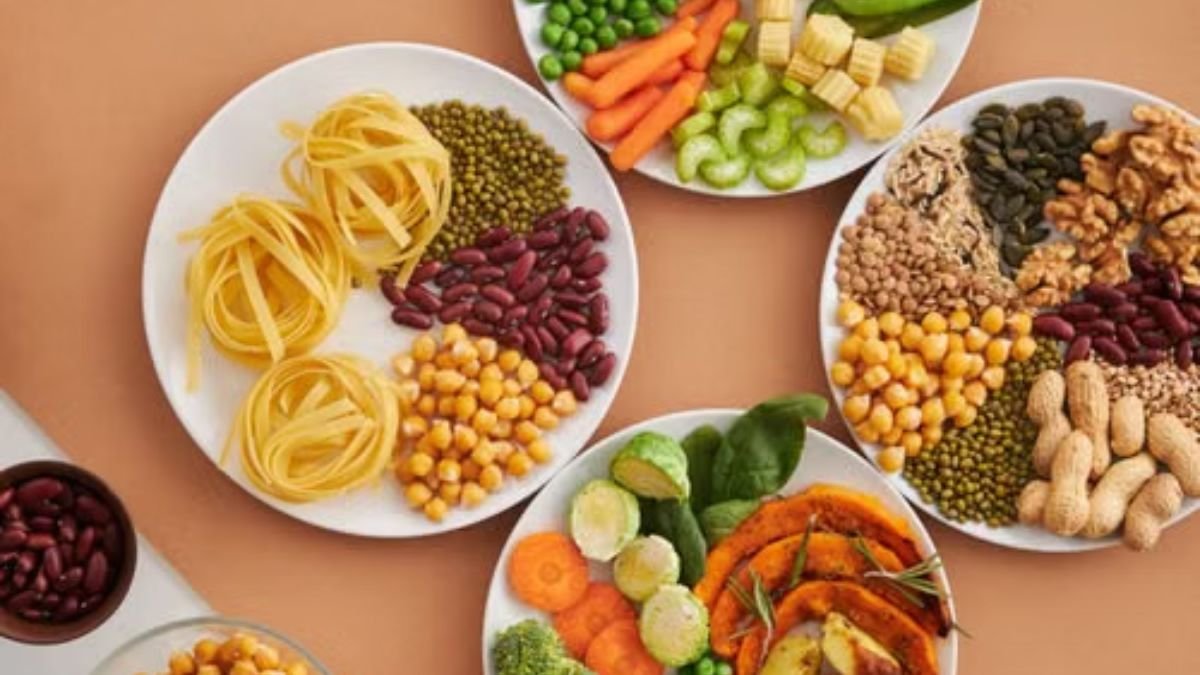
Biotin — also known as vitamin B7 — is a water-soluble vitamin involved in several metabolic processes, including the metabolism of fats, carbohydrates, and proteins. It is found in foods such as eggs, nuts, seeds, salmon, and sweet potatoes, and it is also produced by bacteria in the gut.
True biotin deficiency is rare in people who eat a varied diet. When it does occur, it can be associated with hair thinning, skin rashes, and neurological symptoms. In those cases, correcting the deficiency is appropriate and may improve hair.
That is different from assuming that extra biotin will improve hair in someone who already gets enough.
2. What the research actually shows
The U.S. National Institutes of Health, Office of Dietary Supplements, states that there is little scientific evidence supporting biotin supplements for improving hair in people who are not deficient. This is one of the clearest statements available from a public health authority on the topic.
Some studies have looked at biotin as part of multi-ingredient formulas, sometimes in combination with other nutrients. These studies are often small, and it is difficult to attribute any observed effect to biotin specifically. Research on biotin alone, in people with normal biotin status, is limited.
None of this means biotin is useless. It means that the evidence does not support the strong claims often made about it — and that a formula should not be judged by how prominently biotin appears on the label.

3. Why biotin is so widely marketed
Biotin has several qualities that make it attractive to marketers:
- It is familiar. Many people have heard of biotin in connection with hair, skin, and nails, which makes it easy to sell.
- It is inexpensive. Biotin is cheap to include in a formula, which allows brands to list it prominently without significantly increasing cost.
- It is generally well tolerated. At typical doses, biotin has a good safety profile for most people — which makes it easy to market broadly.
- Deficiency is rare but real. Because true deficiency can cause hair problems, it is easy to imply that supplementation will help anyone.
The result is a market in which biotin appears on many labels, often in doses far above what the body needs, and often without evidence that the dose makes a difference for people who are not deficient.
Biotin is not a marketing trick. But the gap between what the research shows and what the labels imply is wider than for almost any other hair ingredient.
Start with the bigger picture
Understand the different factors that can affect hair
Our companion guide looks at aging, menopause, nutrition, shedding, thinning, and everyday hair care — before any product enters the picture.
Read the Hair Wellness Guide4. Safety considerations that rarely appear in marketing
Biotin is generally well tolerated, but there are two considerations worth knowing:
Lab test interference
High doses of biotin can interfere with some laboratory tests, including certain thyroid tests and tests used in cardiac care. The interference can produce falsely low or falsely high results, which can lead to misdiagnosis or inappropriate treatment. The U.S. Food and Drug Administration has issued communications about this issue.
If you take a biotin supplement and your healthcare professional orders lab tests, tell them about the supplement — especially if the tests involve thyroid function or cardiac markers.
Dose and necessity
Many hair supplements contain biotin doses far above the recommended daily intake. For people who are not deficient, there is no clear evidence that these high doses provide additional benefit. In some cases, high doses may be unnecessary and may increase the risk of the lab test interference described above.

5. How to evaluate a biotin-containing formula
If you are considering a formula that contains biotin, the same criteria apply here as anywhere else — but a few deserve particular attention:
- Is the biotin dose disclosed? Look for the specific amount per serving, not just the presence of biotin on the label. Some formulas include biotin in a proprietary blend without disclosing the amount.
- Is biotin the main ingredient, or one of many? A formula that lists biotin prominently may still be relying on it as a marketing element rather than as an evidence-based active ingredient.
- What evidence supports the finished formula? Research on biotin alone is not the same as clinical research on the finished product. Check whether studies involved people similar to you.
- Does the formula disclose other ingredient amounts? A formula that discloses biotin but hides other amounts may be using biotin as a marketing hook while obscuring the rest of the formula.
- Is the total cost clear? Check serving size, days per container, subscription terms, cancellation rules, shipping, and the cost of continuing beyond the first order.

Before you decide
Know what to look for before choosing a supplement
Our supplement evaluation guide walks through ingredient amounts, product-specific evidence, safety details, and the full purchase terms — so you can compare formulas on criteria that matter.
Read the Supplement Evaluation Guide6. When biotin might be worth discussing with a professional
There are situations in which biotin is worth discussing with a healthcare professional:
- If you have a confirmed biotin deficiency
- If you have a condition or take a medication that can affect biotin absorption
- If you are pregnant or breastfeeding and considering a biotin supplement
- If you are taking biotin and have lab tests scheduled
In these situations, the question is not "does biotin work?" in general, but "is biotin appropriate for me, at what dose, and with what monitoring?" That is a question for a qualified healthcare professional.
7. A more thoughtful next step
Biotin is one ingredient among many, and it is not the whole story of hair health. The most useful next step depends on what you are noticing, whether a deficiency has been identified, and what the rest of your health and routine look like.
Start by observing the pattern: when the change began, whether it is shedding or gradual thinning, whether your scalp has changed, and whether anything else in your health or routine has changed. Bring those observations to a qualified healthcare professional. If you then explore products, compare them on the criteria that matter — amounts, evidence, safety, and cost.
Sources and further reading
This article is educational and draws on the following public health resources. These links are provided so readers can review the information directly.
- National Institutes of Health, Office of Dietary Supplements — Biotin: Fact Sheet for Consumers
- National Institutes of Health, Office of Dietary Supplements — Biotin: Fact Sheet for Health Professionals
- American Academy of Dermatology — Thinning hair and hair loss: Could it be female pattern hair loss?
Continue exploring
Compare formulas on criteria that matter
If you are considering a supplement, our evaluation guide helps you look beyond the front of the bottle — at amounts, evidence, safety, and total cost.
Explore the Supplement Evaluation GuideThis is an internal Lufan Lab link. No product purchase is required.
The 50+ Hair Wellness Project
Understand first. Compare carefully. Decide with confidence.
Explore the broader Hair Wellness guide for a clear overview of the factors that can influence women's hair, and the Supplement Evaluation Guide when you are ready to compare products.
Read the Hair Wellness Guide