Lufan Lab · Hair Care Guide

Shampoo & Conditioner

A good hair care routine starts with understanding the role of each product — and choosing formulas that make sense for your hair and scalp.

Explore the differences between shampoo and conditioner, learn what to consider for different hair types, and discover how to make more informed choices.

Explore the guide
Woman washing her hair as part of her hair care routine
Start with the basics

Shampoo and conditioner do different jobs.

Although they are often sold together, shampoo and conditioner serve different purposes. Understanding how they work can help you choose products that complement each other.

Your hair texture, scalp condition, styling habits, and personal preferences all influence which formulas may feel right for you.

01 · Cleansing

What does shampoo do?

Shampoo is primarily designed to cleanse the scalp and hair. It helps remove excess oil, sweat, dirt, and residue from styling products.

Different formulas offer different cleansing experiences. Some are designed for frequent washing, while others focus on specific hair or scalp preferences.

02 · Conditioning

What does conditioner do?

Conditioner helps improve the feel and manageability of hair. Depending on its formulation, it can help smooth the hair surface, reduce friction, and make detangling easier.

The result may be softer-feeling hair that is easier to comb and style.

Remember: Shampoo cleanses, while conditioner helps improve the feel and manageability of hair. Neither should be assumed to treat the underlying medical causes of hair loss.

Choosing shampoo

What should you consider when choosing a shampoo?

The best starting point is understanding what you want your shampoo to do. A formula that works well for one person may not provide the same experience for someone with a different scalp or hair texture.

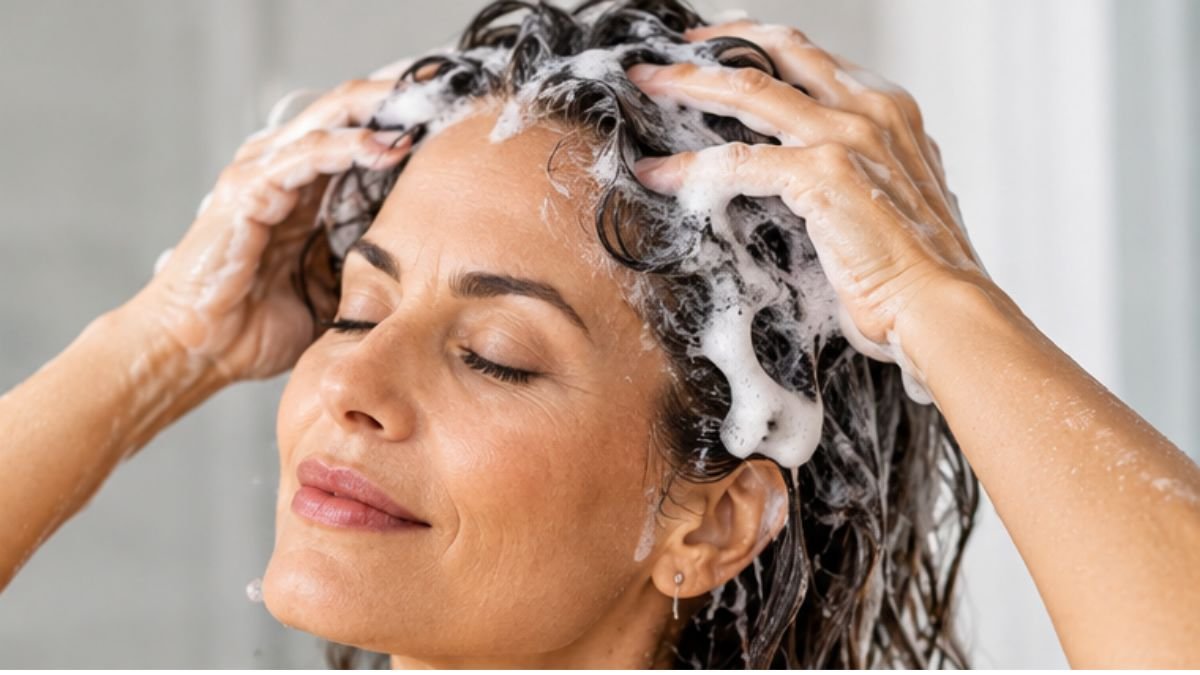
Woman applying shampoo to her scalp while washing her hair
Choosing a shampoo starts with understanding your scalp and cleansing needs.
Understanding cleansing

Start with your scalp and hair characteristics.

Your scalp condition can influence how often you prefer to wash and which cleansing formulas feel comfortable. Consider oiliness, dryness, product buildup, and your personal washing habits.

Pay attention to how your scalp and hair feel after washing rather than choosing a product based on a single marketing claim.

01

Fine or lightweight hair

If your hair is fine or tends to look flat, you may prefer a cleansing formula that leaves it feeling clean without an overly heavy finish.

02

Dry or coarse hair

If your hair feels dry or rough, consider formulas designed for a gentler cleansing experience and pay attention to how your hair feels after washing.

03

Oily scalp

If your scalp becomes oily quickly, consider whether the cleansing strength and recommended washing routine suit your needs.

04

Color-treated hair

If your hair is colored, look for products specifically formulated for color-treated hair and follow the product instructions.

Choosing conditioner

Conditioning should suit your hair's texture and needs.

Conditioner can make a noticeable difference in how hair feels and behaves after washing. The amount, formulation, and application can all influence the result.

Woman applying conditioner to the lengths of her hair
Conditioner can help improve softness, detangling, and manageability.
The conditioning step

Focus on softness and manageability.

Conditioner can help reduce friction between hair strands, improve detangling, and make hair easier to manage. The right formula depends on your hair's texture and how much conditioning it needs.

For fine hair, a lighter formula may feel more comfortable. For dry or textured hair, a richer formula may provide a more satisfying conditioning experience.

For fine hair

Consider lighter formulas if richer conditioners tend to weigh your hair down. Many people with fine hair prefer applying conditioner mainly to the mid-lengths and ends.

For dry or textured hair

Richer conditioning formulas may be worth considering when hair feels rough, tangles easily, or needs additional softness and manageability.

For long hair

Pay attention to the ends, which can experience more friction and tangling. Choose a formula that helps make detangling comfortable.

For chemically treated hair

Consider products formulated for your particular treatment or hair needs. Follow the instructions and observe how your hair responds.

Ingredients & formulations

Look beyond the front of the bottle.

Product packaging often highlights selected ingredients or attractive claims. The full formulation, however, matters more than a single ingredient featured on the label.

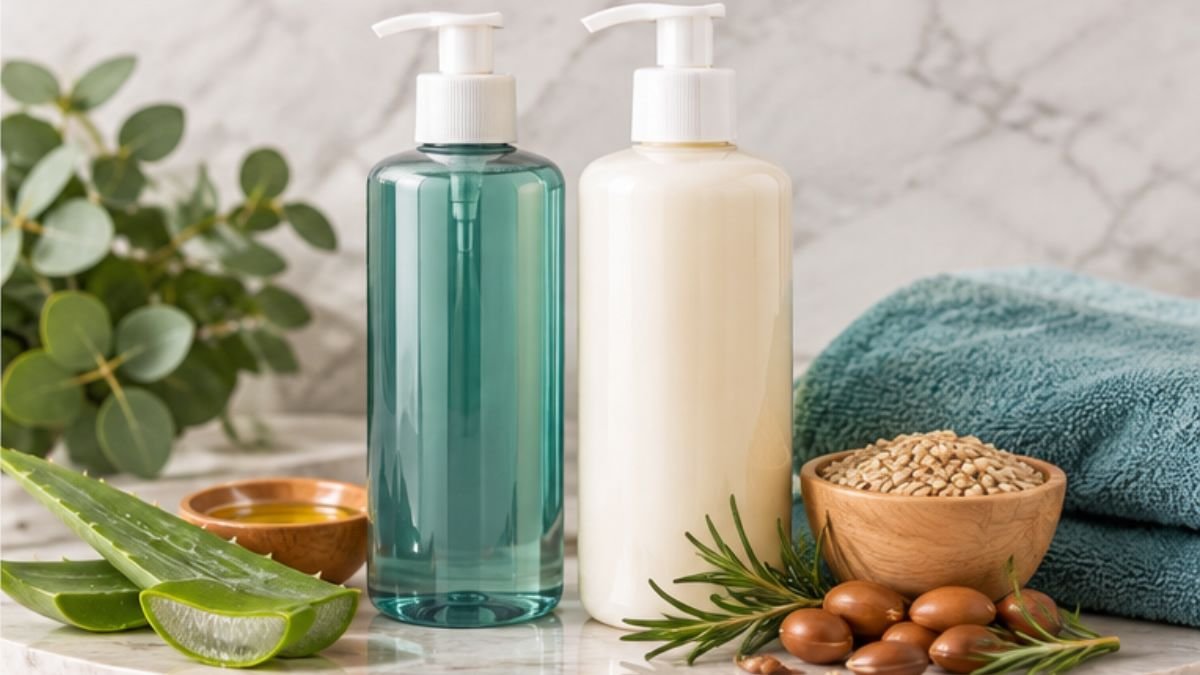
Shampoo and conditioner products displayed with natural botanical ingredients
The complete formulation matters more than a single highlighted ingredient.
Understanding formulations

Natural-sounding claims are only part of the picture.

Botanical extracts, oils, and other highlighted ingredients can make a product appealing. However, the overall formula, ingredient concentrations, and intended use are important when evaluating a shampoo or conditioner.

A product does not automatically become more suitable simply because its packaging emphasizes natural ingredients.

Cleansing ingredients

Shampoos use cleansing agents, often called surfactants, to help remove oil and residue. Different surfactants can provide different cleansing experiences.

Conditioning ingredients

Conditioners may contain ingredients such as fatty alcohols, conditioning agents, oils, and silicones to improve softness, smoothness, and manageability.

Fragrance and sensitivities

Fragrance can be a personal preference, but some people prefer fragrance-free products. If you experience irritation, consider the formulation and seek professional advice when appropriate.

Marketing claims

Words such as strengthening, repairing, volumizing, and nourishing can describe different product goals. Read the complete description to understand what the product is actually designed to do.

A useful reminder: Sulfates and silicones are not automatically unsuitable for everyone. Their appropriateness depends on the complete formulation, hair characteristics, and individual preferences.

Everyday routine

Building a simple shampoo and conditioner routine.

You do not necessarily need a complicated routine or a large collection of products. A few consistent choices can be a practical starting point.

01

Start with your scalp

Choose a shampoo that suits your scalp and washing preferences. Follow the product instructions and adjust your routine based on how your scalp responds.

02

Use conditioner thoughtfully

Apply conditioner according to its instructions. Pay attention to the areas that need more softness or easier detangling.

03

Observe the results

Notice whether your hair feels clean, manageable, and comfortable after washing. Consider changing one product at a time if something does not suit you.

04

Avoid unnecessary complexity

More products do not automatically mean better care. Focus on what serves a clear purpose in your routine.

Before you buy

How to compare shampoo and conditioner products.

Once you understand what you need, comparing products becomes more straightforward. These questions can help you evaluate your options.

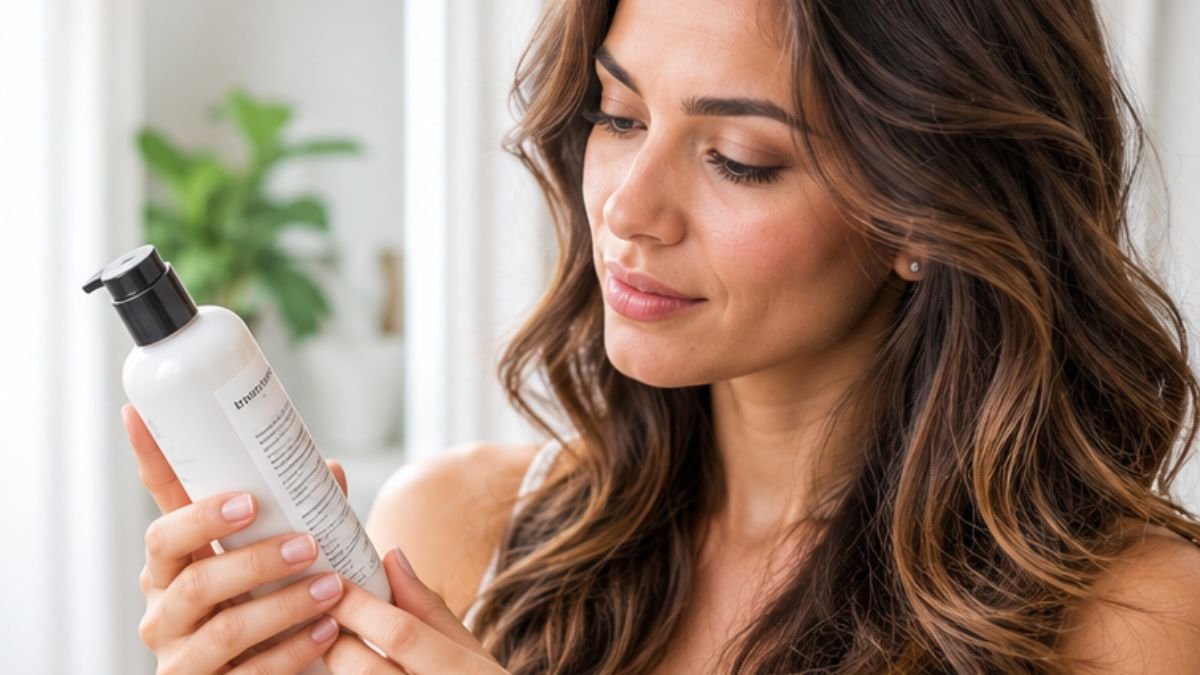
Woman carefully reading the label of a hair care product
Reading product labels helps you compare ingredients, instructions, and intended use.
Make informed choices

Take a closer look before choosing.

Product packaging can make a strong first impression, but the details on the label provide useful information about the formula and how it should be used.

Comparing ingredients, directions, quantity, and customer experiences can help you decide whether a product fits your preferences.

  • Purpose: Is the product designed for your hair type and intended use?
  • Formula: Are the ingredients and formulation details clearly listed?
  • Instructions: Are the directions and recommended use easy to understand?
  • Size and price: How much product are you receiving, and what is the cost per unit?
  • Seller: Is the seller identifiable and is the product listing clear?
  • Customer feedback: Do reviews describe experiences relevant to your hair type and needs?

Customer reviews can help identify common experiences, but individual results vary. Look for detailed feedback rather than relying only on star ratings.

A product to consider

A lightweight conditioner for fine hair.

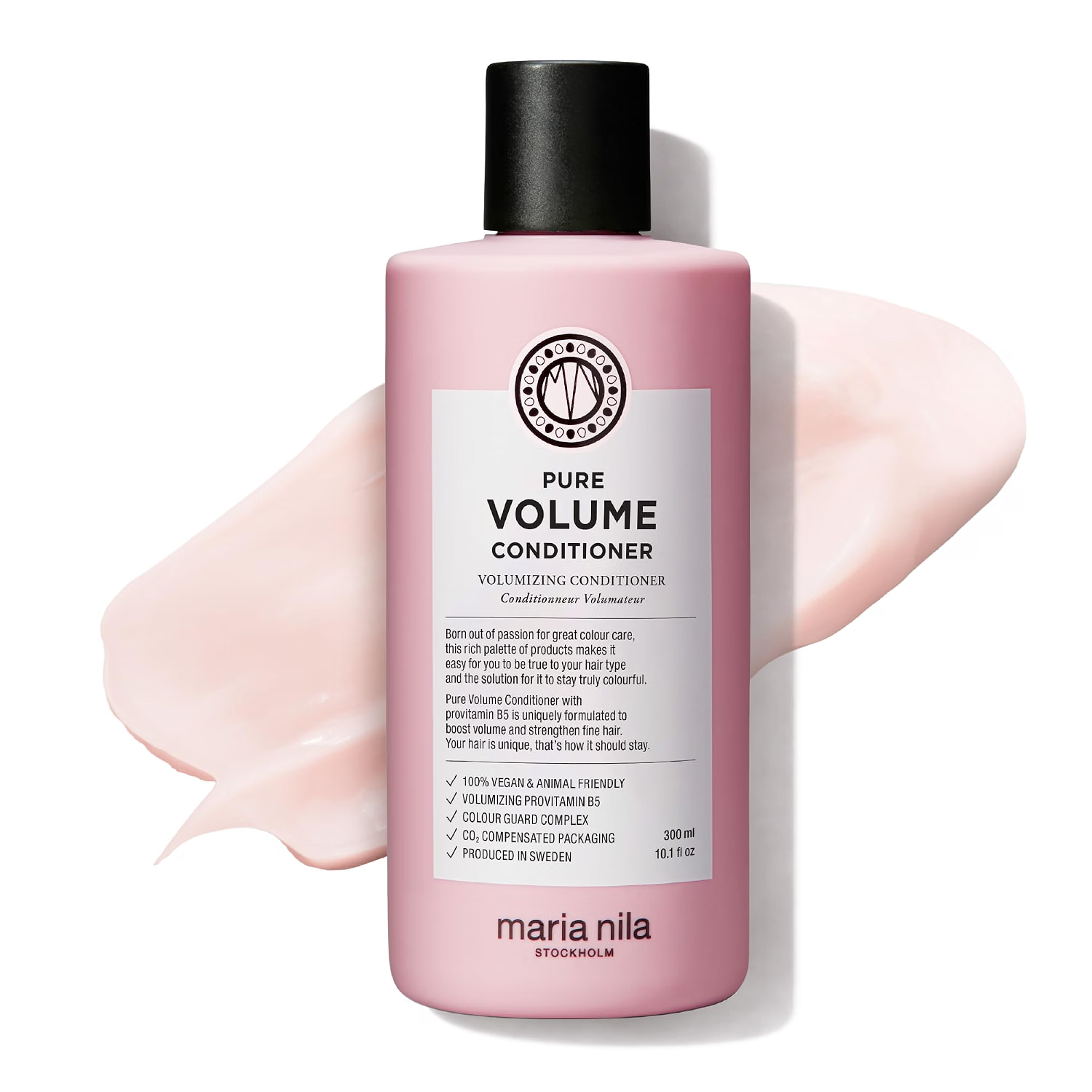
If your hair is fine and you prefer a conditioner that focuses on softness and manageability without an overly heavy feel, this is one formula you may want to explore.

Maria Nila Pure Volume Conditioner, 300 ml
Conditioner for fine hair

Maria Nila Pure Volume Conditioner

Created for fine hair, this conditioner helps soften and detangle while supporting a fuller-looking finish. Its conditioning formula is designed to improve manageability without making volume the only focus of your hair care routine.

  • Designed for fine and delicate hair.
  • Helps improve softness and manageability.
  • Contains provitamin B5 and conditioning ingredients.
  • Vegan formula.
  • Contains fragrance and silicone-derived ingredients.
View product on Amazon

Product details and availability may change. Individual experiences vary. This is a cosmetic conditioner, not a treatment for hair loss or a medical scalp condition.

Explore more from Maria Nila

Maria Nila offers different hair care lines designed for different needs. If scalp comfort is one of your priorities, explore the Maria Nila Head & Hair Heal Shampoo featured in our Scalp Care guide.

Frequently asked questions

Shampoo & conditioner: common questions.

Can shampoo make hair look thinner?

A shampoo that leaves hair feeling heavy or coated may affect its appearance and styling. However, shampoo itself should not be assumed to explain ongoing hair thinning or shedding.

Should people with fine hair use conditioner?

Yes, conditioner can still be useful for fine hair. The key is finding a formula and application method that improve manageability without leaving the hair feeling weighed down.

Are expensive shampoos always better?

Not necessarily. Price alone does not establish that a product is more suitable or effective. Compare formulation, purpose, quantity, and how well it fits your individual needs.

Can shampoo and conditioner stop hair loss?

Ordinary cosmetic shampoo and conditioner are designed primarily for cleansing and conditioning. They should not be treated as substitutes for professional evaluation of persistent or unexplained hair loss.

How often should I wash my hair?

There is no single schedule that works for everyone. Washing frequency depends on scalp oiliness, hair characteristics, lifestyle, and personal comfort. Follow product instructions and adjust your routine to your needs.

A thoughtful approach to hair care

Choose products with a clearer understanding of your needs.

A good routine does not have to be complicated. Start with the basics, pay attention to how your hair responds, and make choices that fit your everyday life.

Explore Hair Care & Products

Affiliate disclosure: Some articles on Lufan Lab may contain affiliate links. If you make a purchase through one of these links, we may earn a commission at no additional cost to you. Affiliate relationships do not determine our editorial perspective or guarantee a product recommendation.