Scalp Care
Healthy-looking hair care begins with understanding the scalp and the role it plays in your everyday routine.
Explore scalp cleansing, oiliness, product buildup, and what to consider when choosing products designed for scalp care.
Explore the guide
Understanding your scalp.
The scalp is the skin that covers your head. Like the rest of your skin, it has its own characteristics and may respond differently to cleansing products, environmental conditions, and everyday habits.
Scalp oiliness
The scalp naturally produces sebum, an oily substance that helps protect the skin. Some people notice oiliness sooner than others, depending on individual characteristics and routine.
Removing residue
Oil, sweat, dead skin cells, and styling products can accumulate over time. Appropriate cleansing helps remove excess residue and keep the scalp feeling comfortable.
Scalp comfort
Some people experience dryness, tightness, itching, or sensitivity. Product ingredients, fragrance, and individual skin characteristics may influence comfort.
Care and consistency
Washing habits, styling products, and how you handle your hair can all influence your scalp care routine.
What types of products are available?
Scalp care products serve different purposes. Understanding what each one is designed to do can help you choose options that fit your routine.
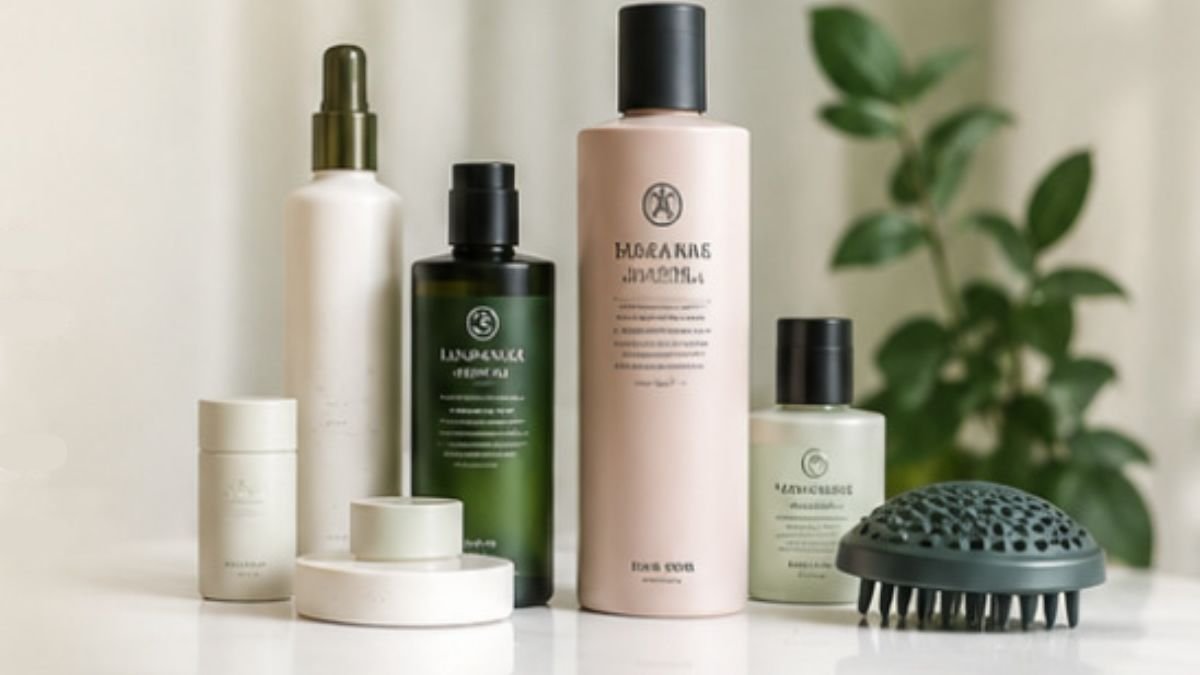
Clarifying shampoos
These shampoos are designed to remove accumulated oil and styling residue. Their cleansing strength varies, so consider your hair and scalp characteristics when choosing one.
Gentle cleansing formulas
Some shampoos are formulated for frequent washing or for people who prefer a milder cleansing experience. The best choice depends on individual needs.
Scalp exfoliating products
These products are designed to help loosen surface buildup. Formulas may use physical or chemical exfoliating ingredients and should be used according to their instructions.
Scalp serums and treatments
Cosmetic scalp serums may be designed to provide hydration or improve the feel of the scalp. Read product descriptions carefully to understand their intended cosmetic purpose.
Leave-on scalp products
Some products are applied after washing and left on the scalp. Consider the instructions, formulation, and whether the product suits your routine.
Scalp brushes and massagers
These accessories can be used during washing or massage. Choose a comfortable design and avoid excessive pressure or aggressive scrubbing.
Consider how your scalp feels.
Rather than assuming every scalp needs the same products, pay attention to your own experience and choose a routine that feels comfortable.
Oily scalp
If your scalp becomes oily quickly, consider whether your shampoo provides an appropriate cleansing experience. Washing frequency is individual and may need adjustment.
Dry-feeling scalp
If your scalp feels tight or dry, consider your cleansing routine and product formulation. Avoid assuming that stronger cleansing is always necessary.
Sensitive scalp
Some people prefer products with simpler formulations or without added fragrance. If irritation continues, seek advice from a qualified professional.
Product buildup
If styling products accumulate on your hair and scalp, consider whether occasional clarifying cleansing is appropriate for your hair type and product routine.
Look beyond the product claims.
The full formulation matters more than a single ingredient highlighted on the front of the bottle.
Cleansing agents
Surfactants help remove oil and residue. Different cleansing agents and combinations can create different cleansing experiences.
Humectants and moisturizers
Ingredients such as glycerin can help attract and retain moisture. Their role depends on the complete formulation and how the product is used.
Fragrance
Fragrance is a matter of personal preference, but some individuals may be sensitive to certain fragrance ingredients. Fragrance-free options may be worth considering.
Exfoliating ingredients
Some scalp products contain exfoliating ingredients. Follow directions carefully and avoid excessive use, especially if your scalp is already irritated.
Building a simple scalp care routine.
A practical routine does not need to involve many products. Start with basic cleansing habits and adjust according to your scalp's response.
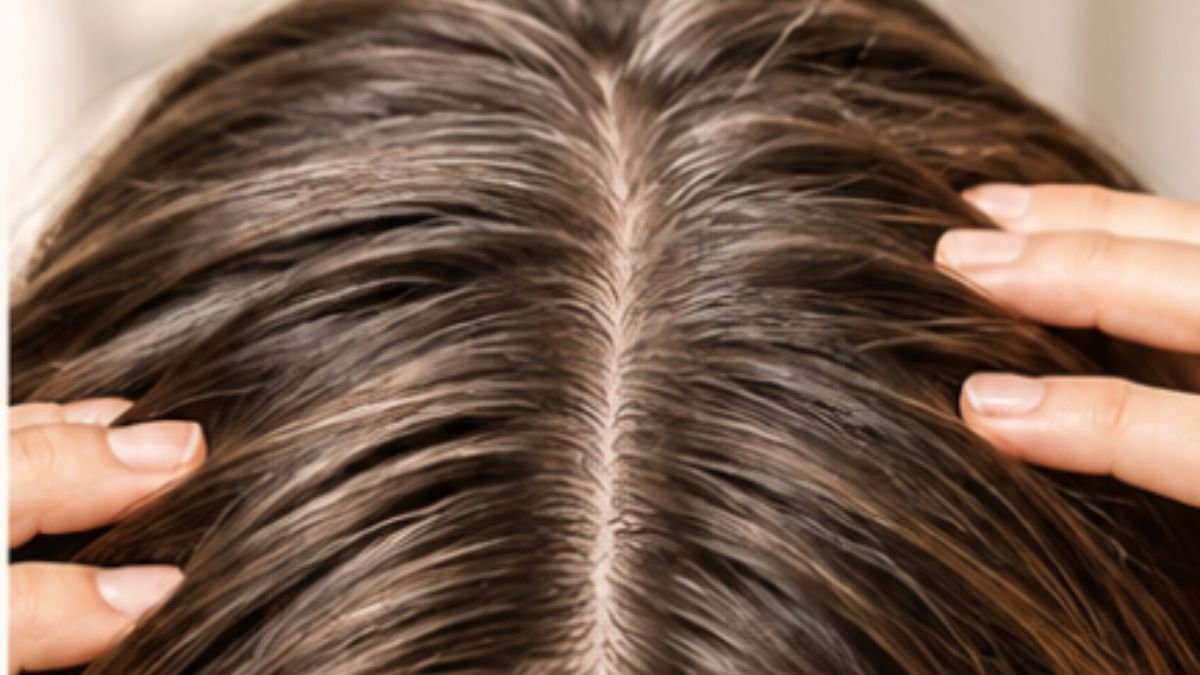
Choose an appropriate shampoo
Consider your scalp's oiliness, hair characteristics, and washing preferences. Follow the product directions.
Cleanse gently
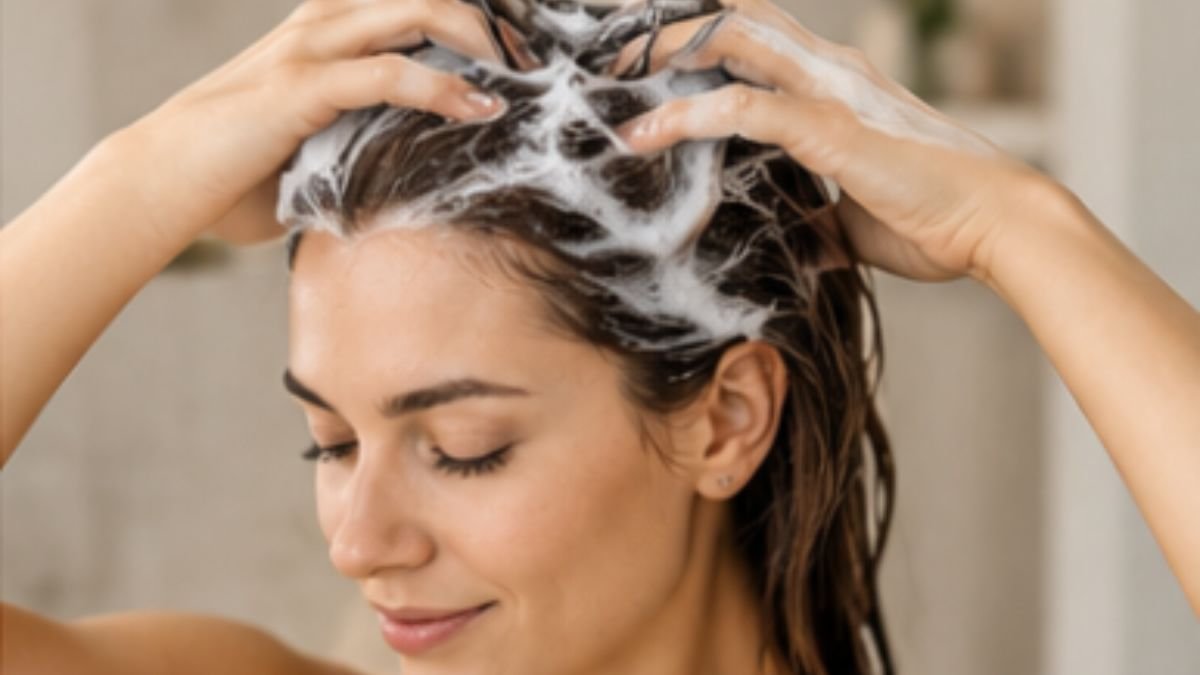
Use your fingertips rather than scratching with your nails. Avoid aggressive scrubbing or excessive pressure.
Use additional products thoughtfully
Scalp exfoliants, serums, and other treatments are not essential for everyone. Introduce products carefully and follow their instructions.
Pay attention to changes
Notice whether your scalp feels comfortable after washing. If irritation or other symptoms persist, consider professional advice rather than adding more products.
How to compare scalp care products.
Before choosing a product, consider these practical questions.
- Purpose: Is the product designed for cleansing, hydration, exfoliation, or another cosmetic purpose?
- Scalp needs: Does the formulation suit your scalp characteristics and preferences?
- Ingredients: Are the ingredients and formulation details clearly listed?
- Instructions: Are application frequency, contact time, and directions easy to understand?
- Sensitivities: Does the product contain fragrance or ingredients you prefer to avoid?
- Price and quantity: How much product are you receiving, and what is the cost per use?
- Seller and feedback: Is the seller identifiable? Do reviews describe experiences relevant to your needs?
Customer reviews can offer useful context, but individual experiences vary. Look for detailed feedback rather than relying only on star ratings.
A shampoo designed with scalp comfort in mind.
If dryness or an itchy, flaky feeling is part of your scalp-care experience, you may want to look at formulas developed with those concerns in mind. Here is one option to explore.
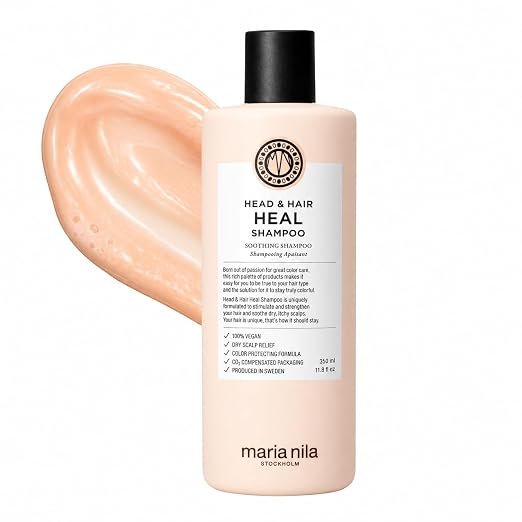
Maria Nila Head & Hair Heal Capixyl Shampoo
Designed for a dry, itchy, or flaky-feeling scalp, this sulfate-free shampoo is positioned by the brand as a gentle cleansing option. Its formula includes aloe vera and piroctone olamine, alongside the brand's Capixyl complex.
- Designed for dry, itchy, and flaky-feeling scalp.
- Sulfate-free and described as color-safe.
- Contains fragrance, so it may not suit everyone, especially those who prefer fragrance-free products.
Product details and availability may change. Individual experiences vary. This is a cosmetic shampoo, not a treatment for a medical scalp condition or unexplained hair shedding.
Maria Nila offers different hair care lines designed for different needs. If you're looking for a conditioner focused on softness and volume for fine hair, explore the Maria Nila Pure Volume Conditioner featured in our Shampoo & Conditioner guide.
Scalp care: common questions.
How often should I wash my scalp?
There is no single schedule that works for everyone. Washing frequency depends on oil production, hair characteristics, lifestyle, and personal comfort.
Does an oily scalp mean I should wash my hair every day?
Not necessarily. Some people prefer more frequent washing, while others do well with a different schedule. Choose a routine that keeps your scalp comfortable and follow product instructions.
Are scalp exfoliating products necessary?
No. They are optional products and are not essential for everyone. Excessive exfoliation may irritate the scalp, so use these products carefully and as directed.
Can scalp massage make hair grow?
Scalp massage may feel relaxing, but it should not be presented as a proven treatment for hair loss or as a guarantee of hair growth.
Can scalp care products stop hair shedding?
Ordinary cosmetic scalp products are designed for cleansing, conditioning, or improving the feel of the scalp. They should not be treated as substitutes for evaluating persistent or unexplained hair shedding.
When should I seek professional advice?
Persistent itching, redness, pain, scaling, sores, or noticeable changes in hair shedding deserve professional evaluation. A dermatologist can help identify possible causes and appropriate care.
Explore more about hair care.
Scalp care is one part of a broader approach to understanding your hair and choosing everyday products.
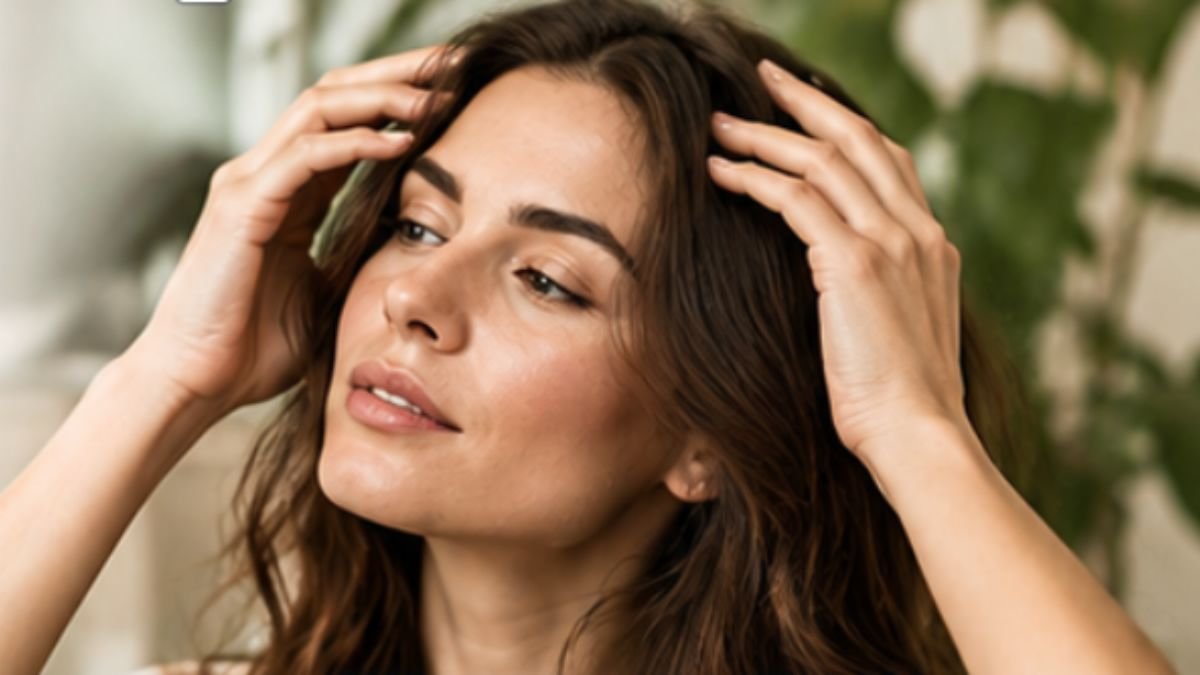
Make scalp care part of a comfortable routine.
Understanding your scalp's needs can help you make more informed choices. Keep your routine simple, choose products thoughtfully, and seek professional advice when symptoms do not improve.
Explore Hair Care & Products