Female Pattern Hair Loss: Early Signs Women Should Know
Understanding the subtle changes in hair density, the widening part, and what these signs may mean for your hair health.
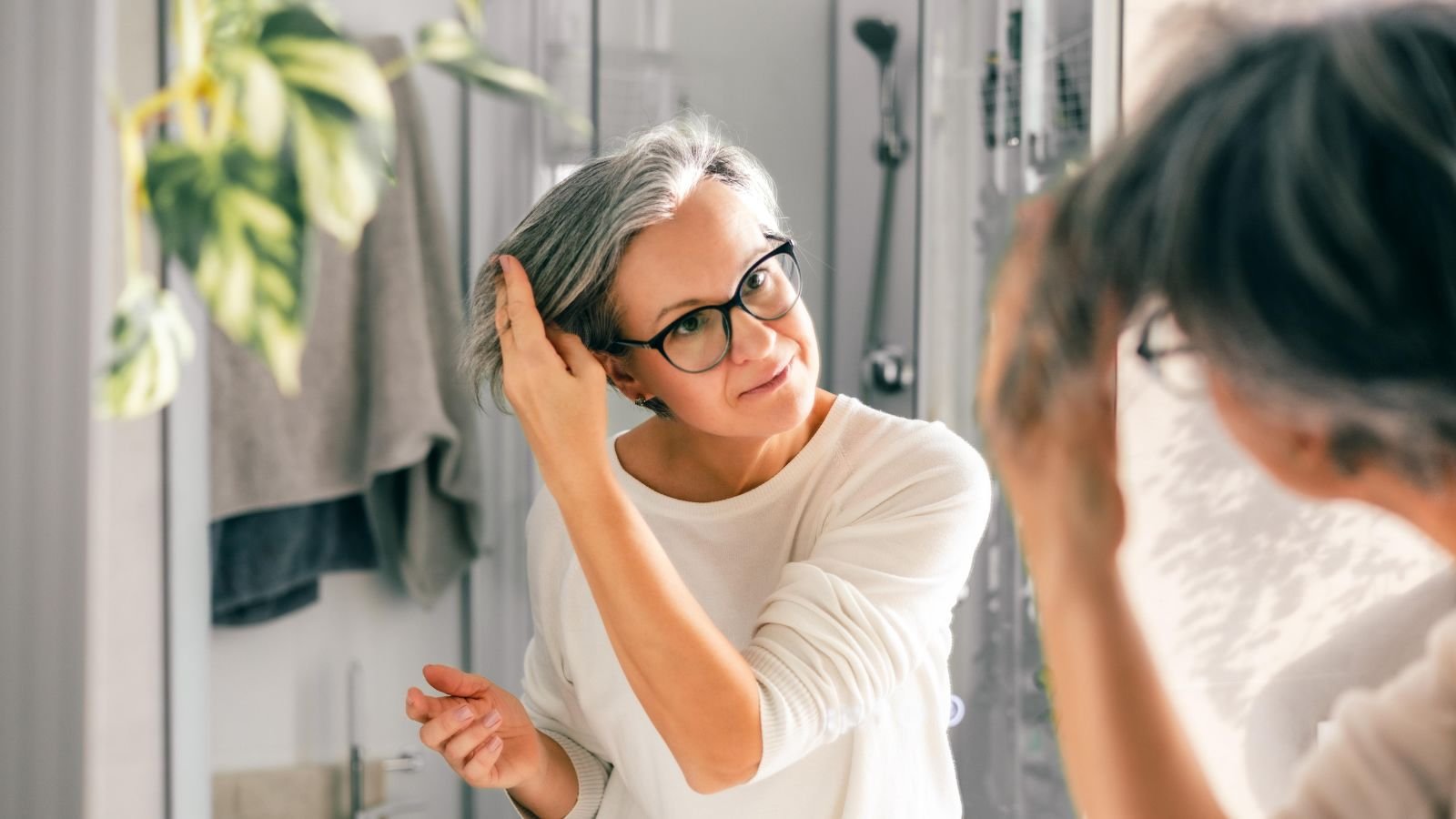
Have you noticed that your hair looks a little different lately? Perhaps your usual part seems wider, your ponytail feels smaller, or the hair around the top of your head does not look as full as it once did.
These changes can happen for several reasons. One possibility is female pattern hair loss, a common form of progressive hair thinning that often develops gradually.
Unlike sudden or temporary shedding, female pattern hair loss typically involves changes in the size and growth of individual hair follicles over time. Recognizing the early signs can help you understand what may be happening and decide when to seek professional guidance.
In this guide, we explore the characteristic signs of female pattern hair loss, how they differ from other types of hair loss, and what you can do to support your overall hair health.
What Is Female Pattern Hair Loss?
Female pattern hair loss (FPHL), also known as female pattern thinning or androgenetic alopecia, is a common condition characterized by gradual thinning of the hair, particularly across the top and central areas of the scalp.
It can affect women at different stages of life, although it often becomes more noticeable during midlife and after menopause.
With this condition, affected follicles gradually produce finer, shorter hairs. This process is known as follicular miniaturization. Over time, the overall density of the hair may decrease.
The condition can progress slowly over years, which is why some women initially notice changes in styling, volume, or the appearance of their scalp rather than obvious hair loss.
Early Signs of Female Pattern Hair Loss
The first signs are often subtle. Instead of suddenly losing large amounts of hair, you may gradually notice differences in how your hair looks, feels, and behaves.
1. A Wider Hair Part
One of the most recognizable early signs is a gradual widening of the central part. More scalp may become visible along the line where you normally separate your hair.
2. Less Volume at the Crown
The hair around the top and crown may appear less dense. Hairstyles that once looked full may seem flatter or harder to maintain.
3. A Smaller Ponytail
If your ponytail feels thinner than it used to, it may reflect a gradual reduction in the number or thickness of visible hair strands.
4. Finer Hair Strands
Some follicles begin producing finer and shorter hairs. Your hair may feel softer or less substantial, even when you do not notice significant shedding.
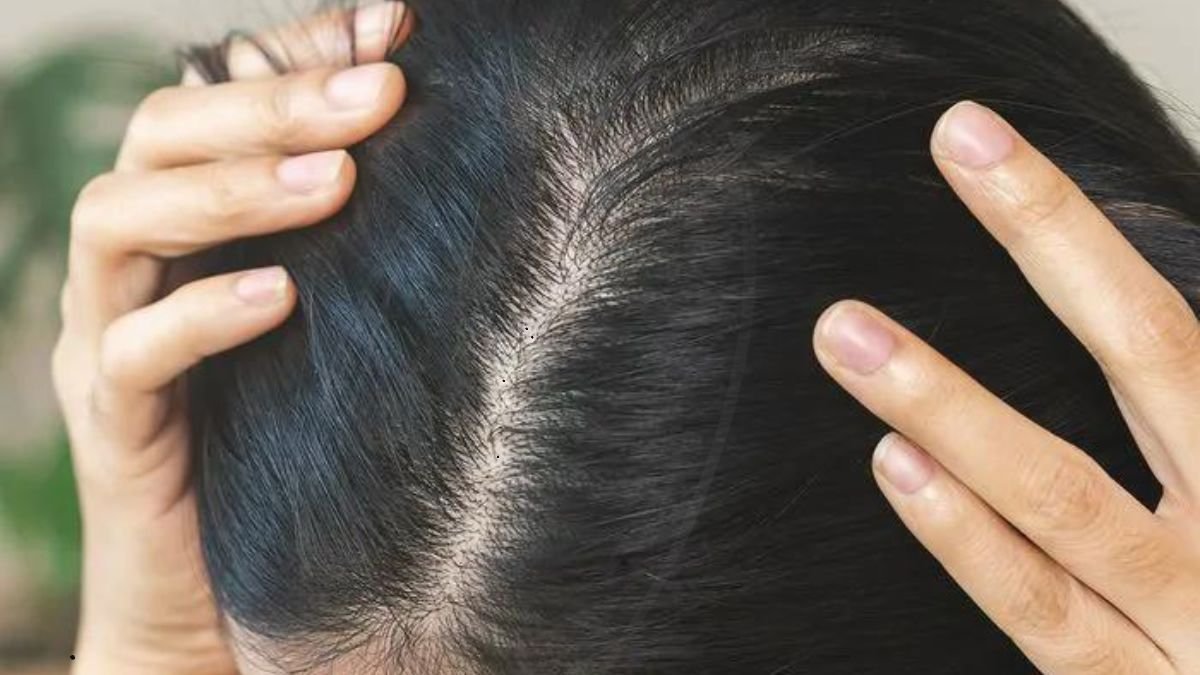
These signs do not automatically mean you have female pattern hair loss. Similar changes can occur with other conditions, so the overall pattern and medical history matter.
Changes in the Hair Part and Crown
The central scalp is particularly important when looking for signs of female pattern thinning.
In many women, thinning becomes noticeable along the middle part before spreading across a wider area of the top of the head.
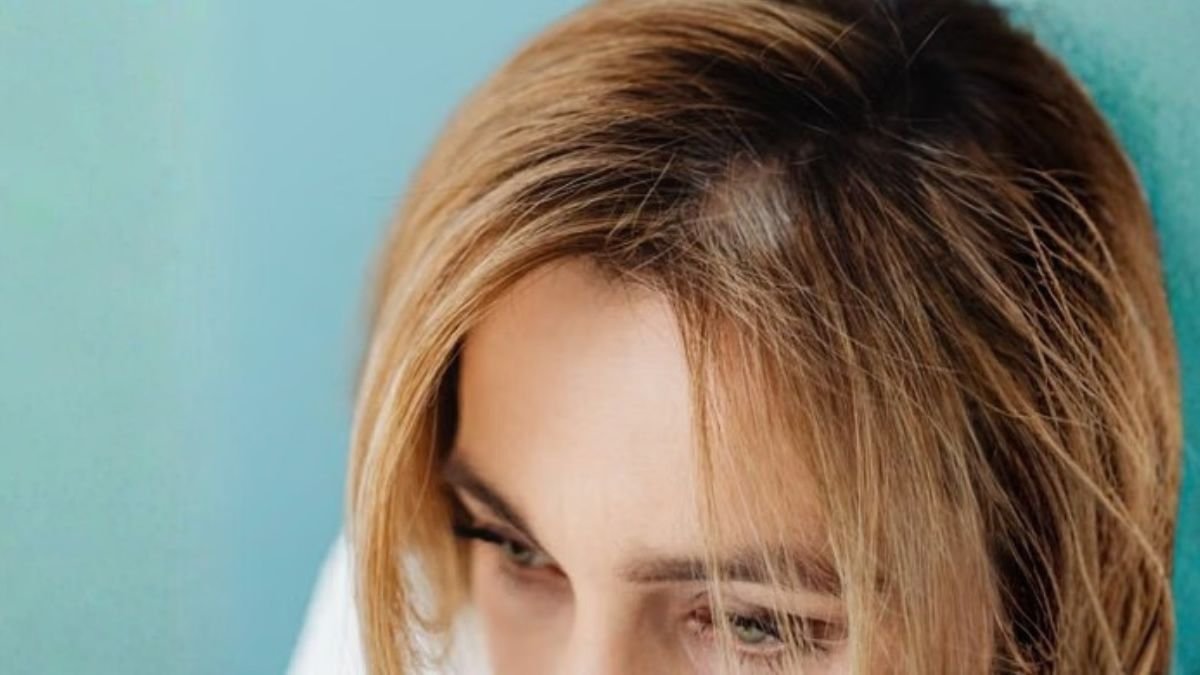
You might notice that:
- Your scalp is more visible under bright overhead lighting.
- Your usual hairstyle no longer covers the crown in the same way.
- The hair around the central part appears less dense.
- Your hair takes on a flatter appearance even after styling.
In some cases, the front hairline remains relatively unchanged while thinning becomes more noticeable behind it.
How Is Female Pattern Hair Loss Different from Other Types of Hair Loss?
Not all hair loss follows the same pattern. Understanding the differences can help explain why a professional evaluation is important.
Female Pattern Hair Loss
Usually develops gradually. Thinning is often concentrated along the central part and upper scalp, with progressively finer strands.
Telogen Effluvium
Often involves increased shedding across the scalp. It may follow physical or emotional stress, illness, surgery, childbirth, or significant weight changes.
Hair Breakage
Occurs when strands break along their length. Heat styling, chemical treatments, friction, and mechanical damage can contribute to this problem.
Other Scalp Conditions
Inflammatory or autoimmune conditions may also cause hair loss. Redness, scaling, pain, burning, or patchy loss may require prompt evaluation.
Some women can experience more than one type of hair loss at the same time. For example, temporary shedding may occur alongside an underlying pattern of gradual thinning.
Why Does Female Pattern Hair Loss Happen?
Female pattern hair loss is associated with a combination of genetic and biological factors.
Genetic Predisposition
Family history can play a role. The tendency to develop pattern hair loss can be inherited from either side of the family.
Hormonal Changes
The condition becomes more common with age and is frequently noticed around menopause. Hormonal changes may influence hair growth and follicle behavior, although the relationship is complex.
Changes in Hair Follicles
Over time, susceptible follicles may become progressively smaller. They produce finer strands, which can gradually reduce the overall appearance of hair density.
Not every woman with thinning hair has the same underlying factors. This is another reason why identifying the specific cause is more useful than assuming that all hair loss is hormonal.
When Should You See a Dermatologist?
If you notice persistent changes in hair density, a widening part, or progressive thinning, consider scheduling an appointment with a dermatologist.
A dermatologist can examine your scalp, review your medical and family history, and determine whether additional tests are appropriate.
Depending on your symptoms and history, an evaluation may include:
- A detailed discussion of when the changes began.
- Examination of the scalp and hair distribution.
- Assessment of family history and medications.
- Blood tests when an underlying condition or nutritional deficiency is suspected.
- Additional scalp examination or testing when needed.
Seek medical advice sooner if hair loss develops suddenly, appears in distinct patches, or is accompanied by scalp pain, burning, significant itching, redness, or scaling.
What Can You Do to Support Hair Health?
While everyday hair care cannot reverse genetic follicle changes on its own, healthy habits can help reduce avoidable damage and support the condition of your existing hair.
Be Gentle with Your Hair
Avoid excessive heat, aggressive brushing, and hairstyles that create constant tension. Choose gentle handling, especially when your hair is wet.
Maintain a Balanced Diet
Adequate protein, vitamins, and minerals are important for normal hair growth. Restrictive diets and nutritional deficiencies can contribute to hair problems.
Be Careful with Supplements
Supplements are not a universal solution for hair thinning. Their usefulness depends on individual nutritional needs, and taking unnecessary nutrients may be unhelpful or even harmful.
Understand Your Treatment Options
Dermatologists may recommend evidence-based treatments, including topical minoxidil, depending on the diagnosis and individual circumstances.
Treatment decisions should be discussed with a healthcare professional. Some treatments require ongoing use, and results can take several months to become noticeable.
Final Thoughts: Understanding the Early Signs Matters

Female pattern hair loss often begins with small changes that are easy to dismiss: a wider part, less volume at the crown, or hair that gradually feels finer.
Recognizing these signs does not mean assuming the worst. It means paying attention to your hair and understanding that different causes require different approaches.
If you have noticed persistent thinning, a dermatologist can help identify what is happening and discuss appropriate options.
Informed decisions, realistic expectations, and consistent care are important parts of supporting your hair health at every stage of life.
Continue Exploring Hair Wellness
Understanding hair changes is only one part of a broader approach to hair health.
Explore our Hair Wellness Guide for more educational information about hair care, nutrition, and the factors that can influence hair quality.
Medical References
This article is for educational purposes only and does not replace professional medical advice, diagnosis, or treatment.