Why Does My Hair Look Thinner? Understanding Changes in Hair Volume
Why does my hair look thinner than it used to? Perhaps your ponytail feels smaller, your usual hairstyle seems flatter, or more of your scalp is visible along your part. These changes can be frustrating, especially when you are not sure what is causing them. Hair can look thinner for several different reasons, and not all of them involve the same type of hair loss. Understanding the difference between strand thickness, hair density, breakage, and everyday styling changes can help you make better sense of what you are noticing.
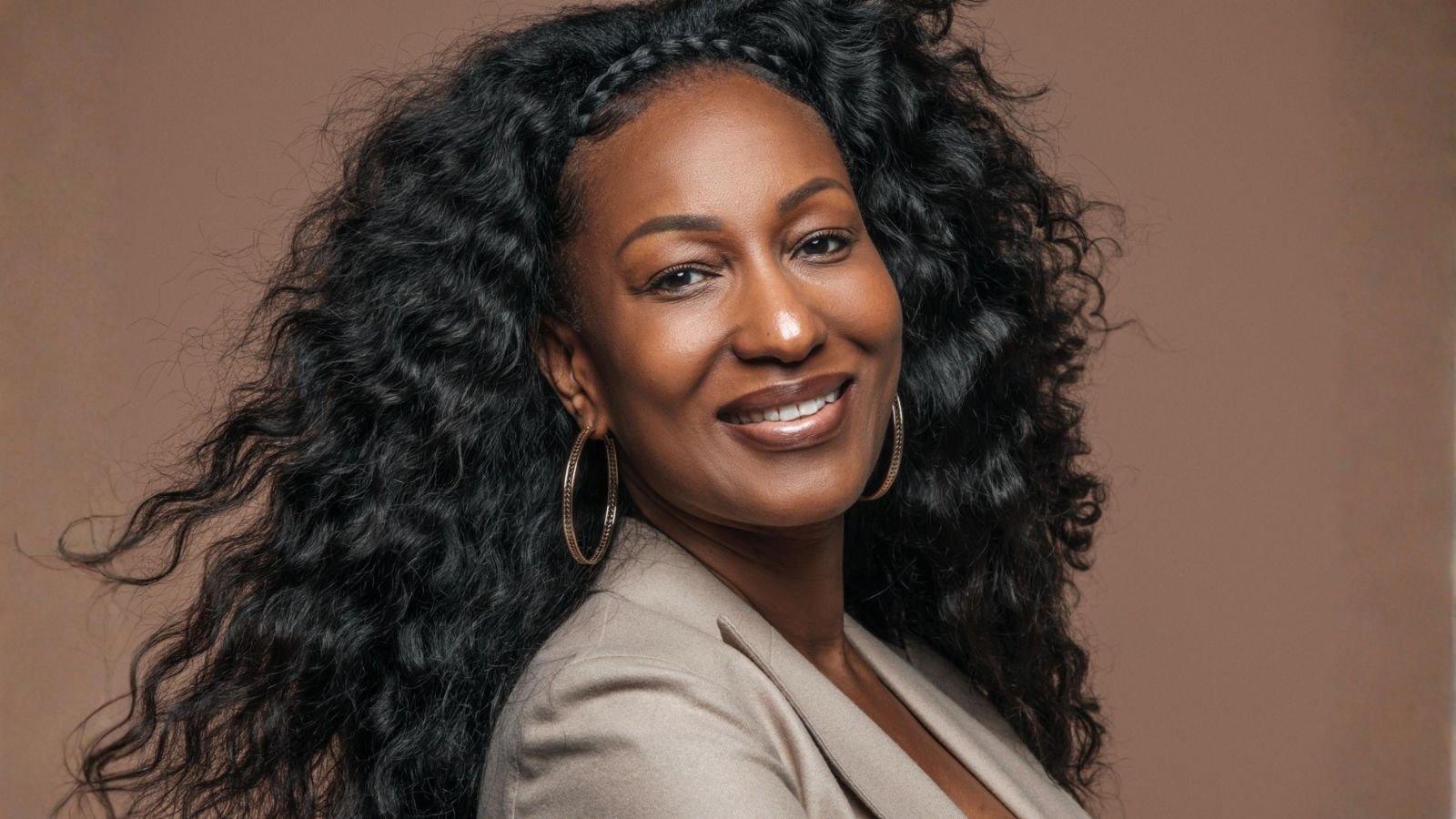
The appearance of your hair is influenced by more than just how many strands grow from your scalp. The thickness of each strand, the amount of hair you have, its length, texture, condition, and the way you style it can all affect how full your hair looks.
If your hair seems different lately, it helps to look at these factors separately rather than assuming that every change means hair loss.
1. Hair Volume: What Actually Makes Hair Look Full?
Hair volume is the overall appearance of fullness, body, and movement. Several characteristics contribute to it, and they are not interchangeable.
Strand thickness
This refers to the diameter of an individual hair strand. Fine hair has a smaller diameter, while coarse hair has a larger one. Someone can naturally have fine hair and still have a full head of hair.
Hair density
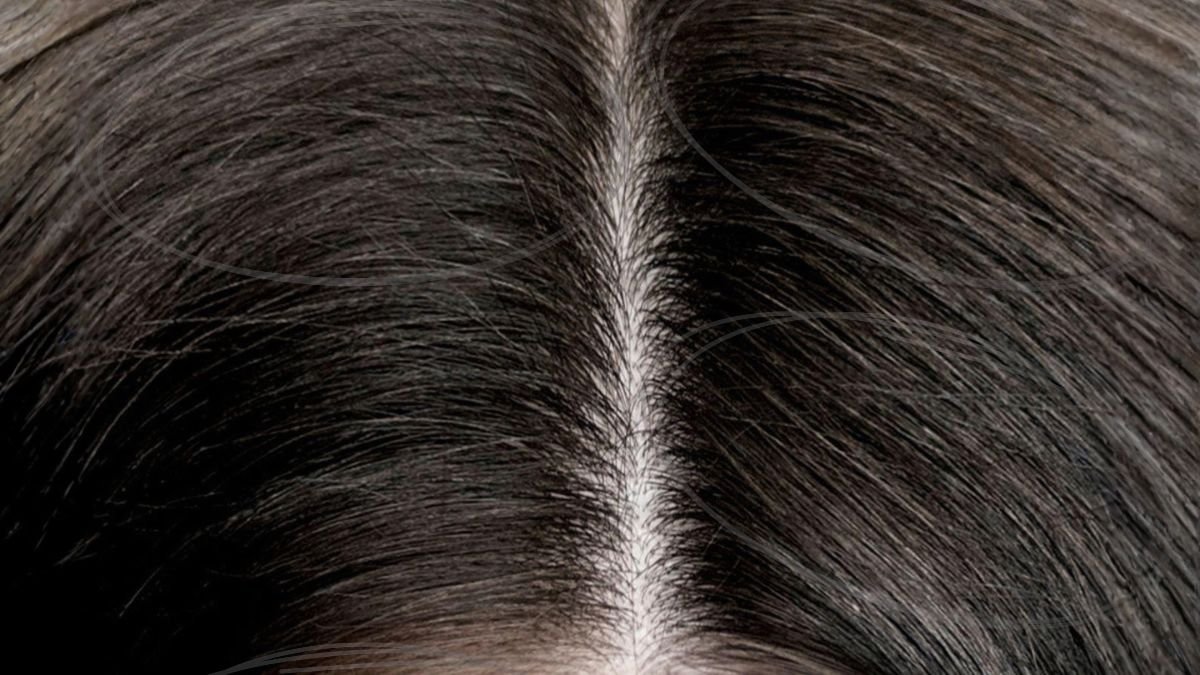
Density describes how many hair strands grow across a given area of the scalp. When density decreases, the hair may look less full, and the scalp may become more noticeable.
Hair condition
Dryness, damage, split ends, and breakage can change the way hair falls and holds its shape. Even when the number of growing hairs has not changed, damaged strands can make a hairstyle look less substantial.
Styling and shape
Hair length, layers, the direction of your part, and the products you use can influence how much lift and movement your hair appears to have.

2. Why Does My Hair Look Thinner Than Before?
Hair can change gradually over the years. Some changes affect the texture or behavior of individual strands, while others involve the hair growth cycle or the number of growing hairs.
As people get older, hair growth patterns can change. Some follicles may produce finer hairs, and the overall growth cycle may become less active. Genetics also plays an important role in how hair density changes over time.
Female pattern hair loss is one possible reason for gradual thinning. It often becomes noticeable during midlife and may appear as a widening part or a gradual reduction in fullness across the top of the scalp. However, not every woman who notices thinner-looking hair has this condition.
Hormonal changes around menopause may also be part of the picture for some women. Still, age alone cannot explain every change in hair volume. Health conditions, medications, nutritional factors, and other circumstances may also contribute.
3. Hair Breakage Can Make Hair Look Less Full
Not every change in hair volume starts at the scalp. Sometimes, the strands themselves become weaker and break before reaching their usual length.
Hair breakage happens when a strand snaps along its length. This is different from shedding, in which a hair is released from the follicle. Breakage can leave the hair looking uneven, shorter, frizzier, or thinner toward the ends.
Frequent heat styling, rough brushing, chemical processing, friction, and tight hairstyles can contribute to damage. Hair that is already fragile may be especially vulnerable to these habits.

Signs that may suggest breakage
- Short, uneven strands around the hairline or throughout the lengths
- Split or rough-looking ends
- Hair that tangles easily or feels fragile
- Different lengths that make the ends look less full
Gentler habits to consider
- Use a gentle approach when brushing and detangling.
- Limit excessive heat and use a heat protectant when styling.
- Avoid hairstyles that repeatedly pull tightly on the hair.
- Condition the lengths and ends to help reduce friction.
4. When Hair Shedding Affects Overall Volume
Hair naturally goes through cycles of growth, rest, and shedding. Seeing some strands in your brush or shower is normal. However, a noticeable increase in shedding may temporarily affect how full your hair looks.
Some people experience increased shedding a few months after a significant physical or emotional stressor. This may happen after a major illness, surgery, childbirth, or a period of intense stress. Certain health conditions, medications, and nutritional deficiencies can also contribute to hair shedding.
In some cases, shedding improves once the underlying trigger has passed or been addressed. In other situations, the cause may need professional evaluation. The timing, duration, and pattern of the changes can provide useful clues.
It is also possible to experience more than one type of hair change at the same time. For example, increased shedding may occur alongside an underlying pattern of gradual thinning.

5. Styling and Everyday Habits That Change Hair Volume
Sometimes, hair looks thinner because of the way it is cut, styled, or cared for. Small adjustments may help improve its appearance, even when they do not change the actual number of hairs growing from the scalp.
Hair length and haircut
Long hair can feel heavier and may sit closer to the head, especially when it is fine or naturally straight. A suitable shorter or medium-length cut may create more movement and make the ends look fuller.
Heavy styling products
Rich creams, oils, and excessive product buildup can weigh down fine strands. Lightweight formulas may be a better choice if your hair tends to lose lift quickly.
Washing and conditioning
A routine that suits your scalp and hair texture can help keep strands manageable. Applying conditioner mainly to the lengths and ends may help prevent the roots from feeling weighed down.
Heat and tension
Frequent high-heat styling and tightly pulled hairstyles can damage fragile strands. Gentler techniques may help reduce avoidable breakage and stress on the hair.


A few styling changes may also make a difference. Moving your part, choosing a shape that suits your hair texture, or using a lightweight volumizing product can help create a fuller-looking finish.
For more practical ideas, read our guide: How to Make Fine Hair Look Thicker: Simple Tips That Make a Difference .
6. When a Change in Hair Volume Deserves Attention
A different-looking hairstyle is not necessarily a sign of a medical problem. However, some changes deserve a closer look, especially when they are new, persistent, or progressing.
Changes worth discussing
- A part that appears to be getting wider
- Gradual thinning across the top of the scalp
- A noticeable increase in shedding
- Patchy areas of hair loss
- Hair changes accompanied by scalp discomfort or inflammation
When to seek professional guidance
Consider seeing a dermatologist if hair loss is sudden, persistent, patchy, or accompanied by itching, pain, redness, scaling, or other unusual scalp changes.
A dermatologist can examine your scalp, review your health history, and determine whether further evaluation is appropriate.
Understanding Your Hair Is the First Step
Hair that looks thinner than before can reflect several different changes. Fine strands, reduced density, breakage, increased shedding, and everyday styling habits can all influence the appearance of volume.
Rather than assuming that one explanation fits every situation, pay attention to what has changed, when it began, and whether the change is continuing. A suitable haircut and gentle care routine may improve the appearance of your hair, while persistent or noticeable changes in density deserve professional attention.
Understanding the difference between these possibilities can help you make more informed decisions about your hair and the care it needs.
Further Reading
Disclaimer: This article is for general educational purposes only and is not a substitute for professional medical advice, diagnosis, or treatment. Hair changes can have different causes, and individual experiences may vary. Consult a qualified healthcare professional about concerns involving your hair or scalp.