How to Make Fine Hair Look Thicker: Simple Tips That Make a Difference
Fine hair can be beautiful, soft, and easy to style. However, when individual strands are delicate or the hair lacks natural volume, it may sometimes look flatter or less full than you would like. The right approach to fine hair volume can make a difference in how your hairstyle looks and feels. A few thoughtful choices in haircuts, styling techniques, and everyday care can help create a fuller-looking finish.
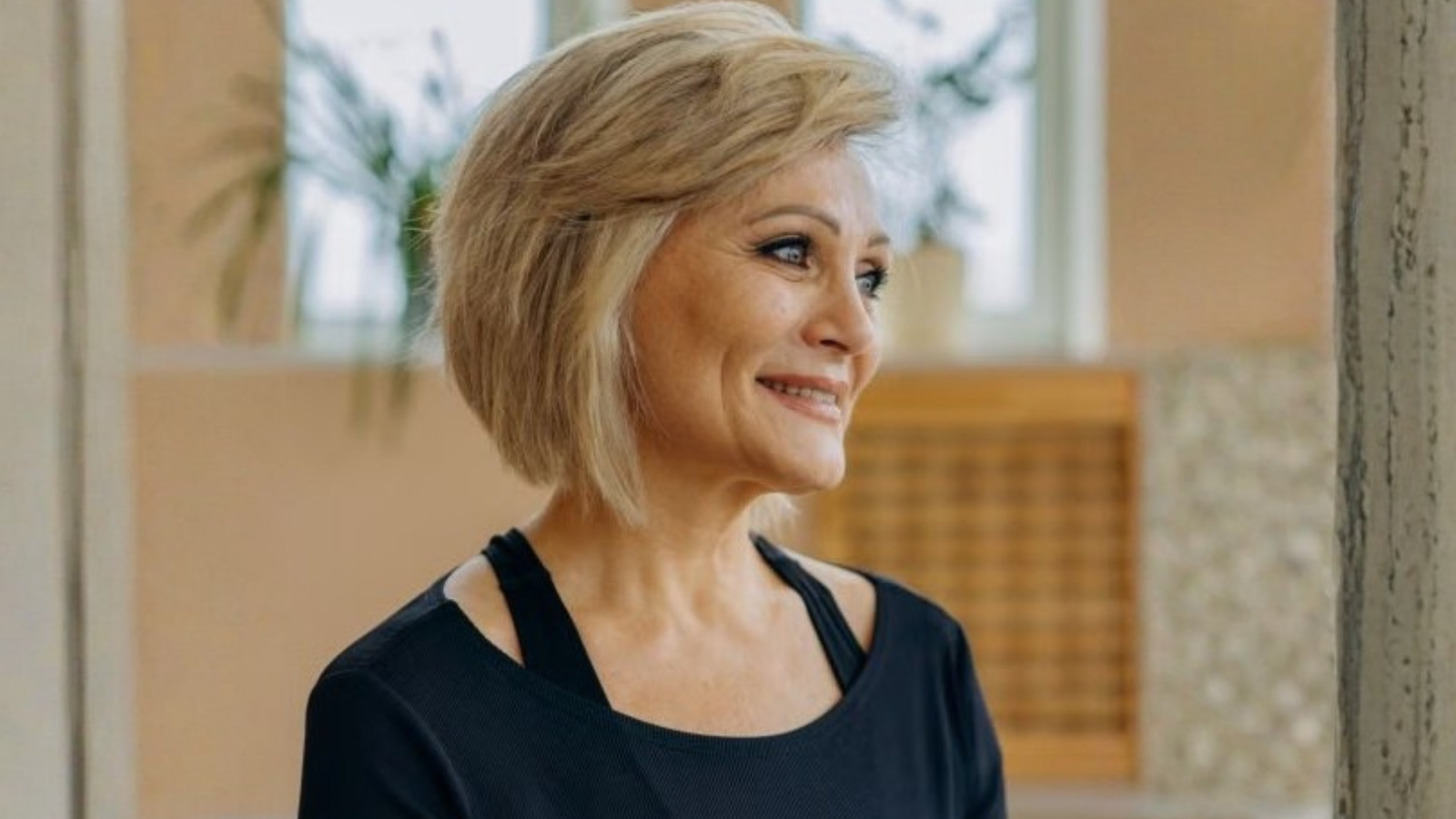
The goal is not to change your natural hair texture. Instead, it is to work with it, choosing styles and routines that create movement, lift, and a fuller-looking finish without weighing the hair down.
1. Choose Haircuts for Better Fine Hair Volume
The right haircut can make a noticeable difference in how fine hair looks. Some styles help create the impression of greater density, while others may leave the ends looking sparse or flat.
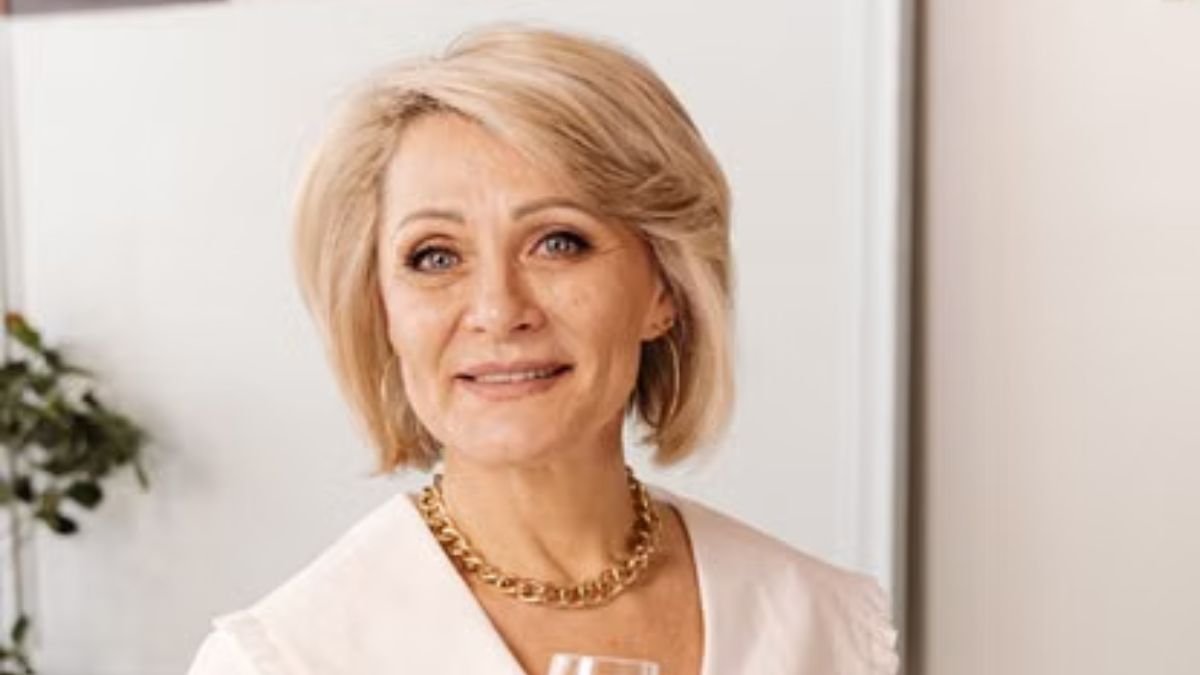
Consider a layered bob
A bob that falls around the chin or shoulders can be a practical option for fine hair. Soft, carefully placed layers may add movement and shape without removing too much fullness from the ends.
Very long hair can sometimes look flatter because its weight pulls the strands downward. A shorter or medium-length style may make it easier to create lift and maintain a fuller-looking shape.
Keep the ends looking full
Extremely wispy or heavily thinned ends can make fine hair appear even less dense. Ask your stylist about a shape that preserves fullness while adding enough texture and movement to suit your hair.
2. Blow-Drying Techniques for Fine Hair Volume
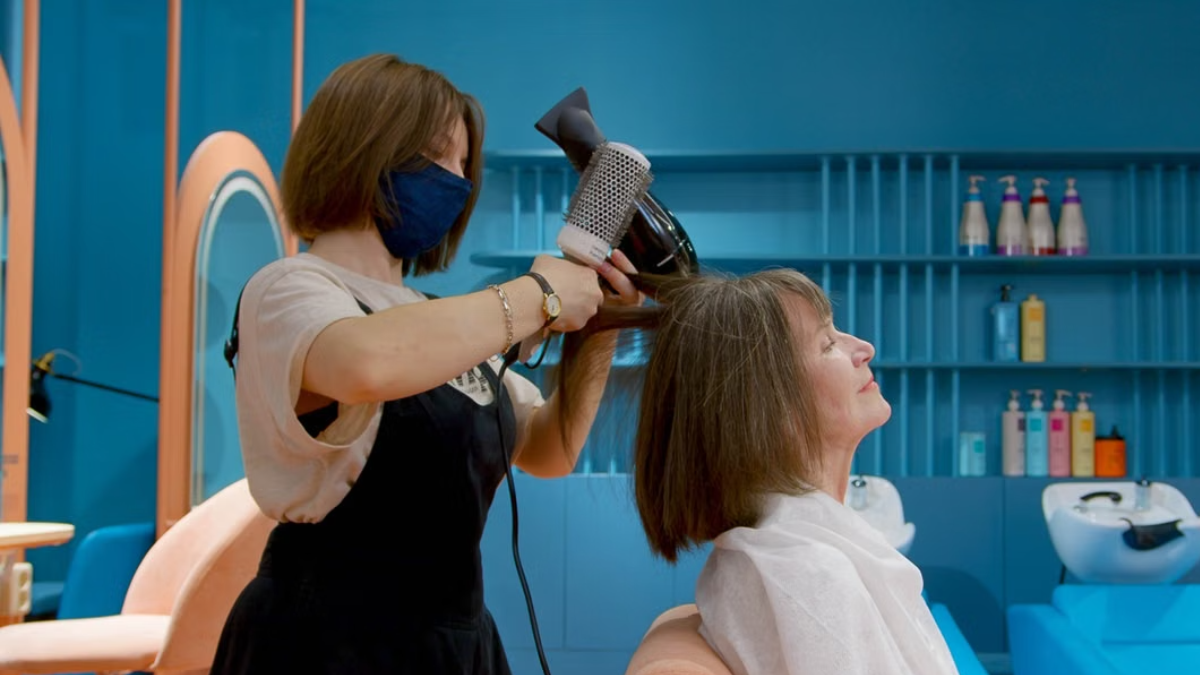
How you dry your hair can influence its final appearance. Rather than allowing fine hair to dry completely flat against the scalp, try techniques that create gentle lift at the roots. These simple techniques can help improve the appearance of fine hair volume.
- Start with damp hair: Gently remove excess water with a towel. Avoid rubbing or twisting the strands.
- Lift the roots: Direct the airflow toward the roots while lifting sections with your fingers or a brush.
- Use a round brush: Work with manageable sections to create shape and a little movement through the lengths.
- Choose moderate heat: Excessive heat can contribute to dryness and breakage. Use a heat protectant and avoid holding the dryer too close.
- Finish gently: Let the hair cool before adjusting the style with your fingers.
3. Styling Products That Support Fine Hair Volume
Fine hair can lose its shape quickly when too much product is applied. Rich creams, heavy oils, and excessive amounts of conditioner may weigh down the strands, making the hair look flatter.
Lightweight products designed for fine hair may be a better starting point. Depending on your styling preferences, you could consider:
Lightweight volumizing mousse
Can help create body and support at the roots.
Root-lifting spray
Designed to add lift near the scalp.
Lightweight conditioner
Helps soften the hair without necessarily leaving a heavy finish.
Texturizing products
May add definition and movement when used sparingly.
4. Adjust Your Washing and Conditioning Routine
Fine hair often benefits from a routine that leaves the scalp feeling clean and the strands manageable without unnecessary buildup.
- Choose a shampoo that suits your scalp and hair type.
- Apply conditioner mainly to the mid-lengths and ends if your roots become flat easily.
- Rinse thoroughly to avoid leftover product that may weigh the hair down.
- Be gentle when detangling, especially when the hair is wet.
- Avoid aggressive brushing and hairstyles that pull tightly on the roots.
5. Try Small Styling Changes for More Fullness
Sometimes, a small adjustment can change the overall appearance of fine hair. You do not necessarily need a completely different haircut or an elaborate styling routine.
Change your part
Moving your part slightly can create a different shape and a little extra lift.
Experiment with soft waves
Gentle waves can add dimension and make the hair appear more textured.
Avoid pulling everything tightly back
Looser styles can create a softer, fuller-looking effect.
Consider subtle color dimension
Carefully placed highlights or lowlights may create visual depth, depending on your natural color and preferences.

Fine Hair or Thinning Hair: Why the Difference Matters
Fine hair and thinning hair are not the same thing. Fine hair describes the thickness of individual strands, while thinning hair refers to a reduction in the amount of hair or overall density.
Someone can naturally have fine hair without experiencing hair loss. However, if your hair has gradually become less dense, your part looks wider, or you notice more scalp than before, it may be worth looking more closely at the changes.
If you have noticed changes in your hair density, our article on early signs of hair thinning in women explains some common changes to watch for.
When Should You Pay More Attention to Hair Changes?
Styling techniques can improve the appearance of fine hair, but they do not address every possible cause of hair thinning.
If you notice persistent or sudden shedding, a widening part, visible changes in density, or other unusual scalp or hair changes, consider speaking with a dermatologist or another qualified healthcare professional. They can help identify possible causes and discuss appropriate options.
For more context, read our guide to hair thinning in women over 45 .
Final Thoughts
Fine hair does not have to look flat or lack movement. A suitable haircut, thoughtful blow-drying, lightweight styling products, and a gentle care routine can all help create a fuller-looking appearance.
The most useful approach is to understand your natural hair texture, experiment with techniques that work for you, and avoid routines that leave your hair weighed down or damaged.
And remember: if the issue is not simply fine strands but a noticeable change in hair density, it is worth looking beyond styling and seeking professional guidance.
Further Reading
Disclaimer: This article is for general educational purposes only and is not a substitute for professional medical advice, diagnosis, or treatment. Individual hair needs and results may vary.