Hair Thinning in Women Over 45: Why It Happens and What Changes to Expect
Hair can change in many ways as women move through their 40s and beyond. Some notice less volume, finer strands, a wider-looking part, or more hair in their brush. These changes can be frustrating, especially when your hair has always been an important part of your personal style.
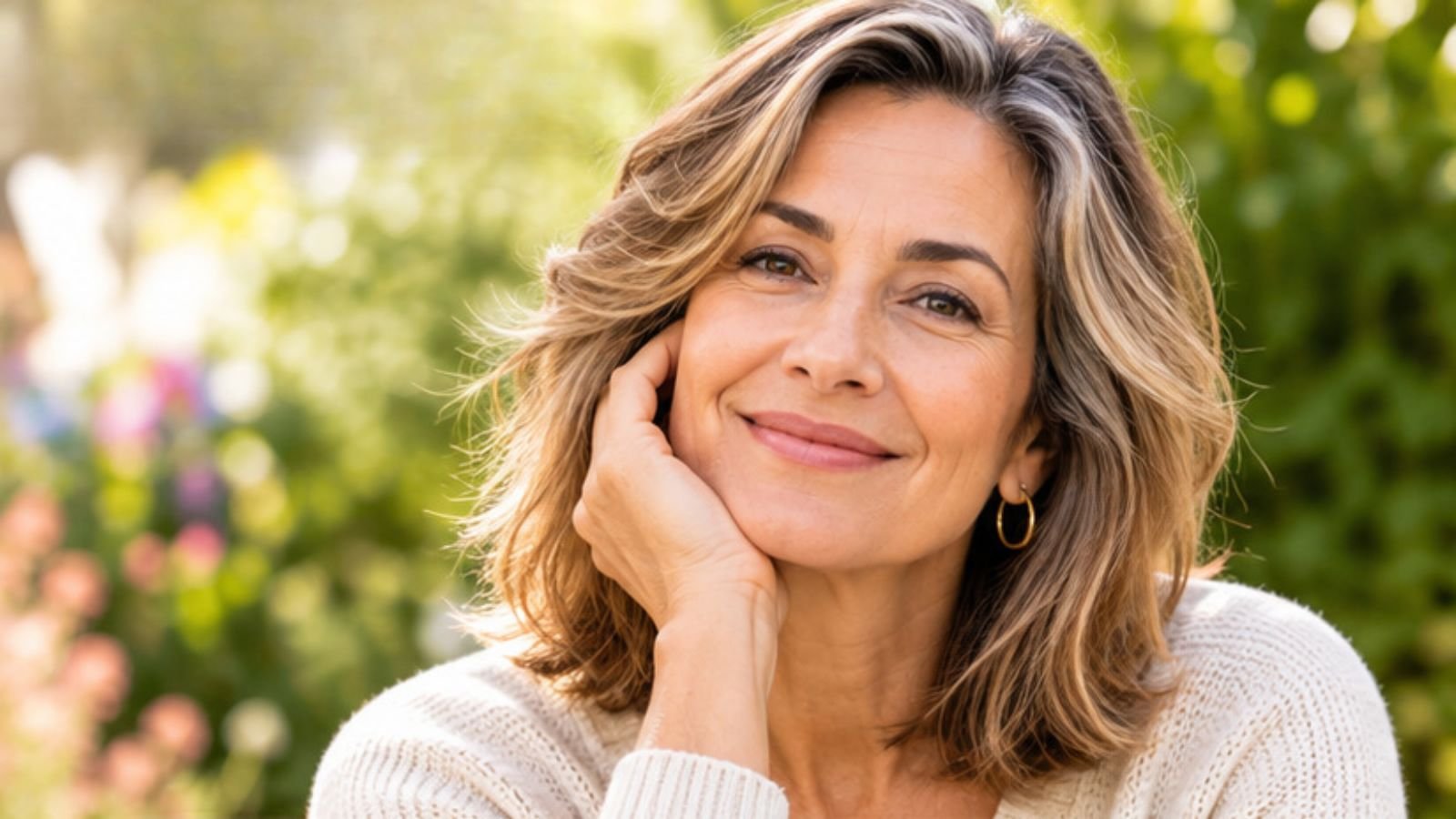
Hair thinning after 45 is not unusual, but it does not have one single explanation. Age, genetics, hormonal changes, health conditions, medications, and everyday hair practices can all play a role. Understanding the possible reasons can help you recognize changes and decide when it may be time to seek professional advice.
Why Hair Can Change After 45
Hair growth follows a natural cycle. Each strand grows, transitions through a resting phase, and eventually sheds. New strands normally replace the ones that fall out.
As women get older, this cycle can change. Hair growth may become slower, individual strands may become finer, and some follicles may produce less hair over time. The result can be a gradual reduction in fullness.
These changes do not happen at the same age or in the same way for everyone. Some women notice very little difference, while others experience more visible changes during midlife.
Hormonal Changes and Menopause
The years around menopause bring hormonal changes that may influence hair growth and the appearance of hair. Changes in estrogen levels, combined with genetic factors and the natural aging process, may contribute to reduced hair density in some women.
For some, the change is gradual. Hair may feel less dense, the ponytail may become smaller, or the scalp may become more visible through certain areas.
However, menopause should not automatically be considered the cause of every change in hair. Several other factors can produce similar symptoms, and a proper evaluation can help distinguish between them.
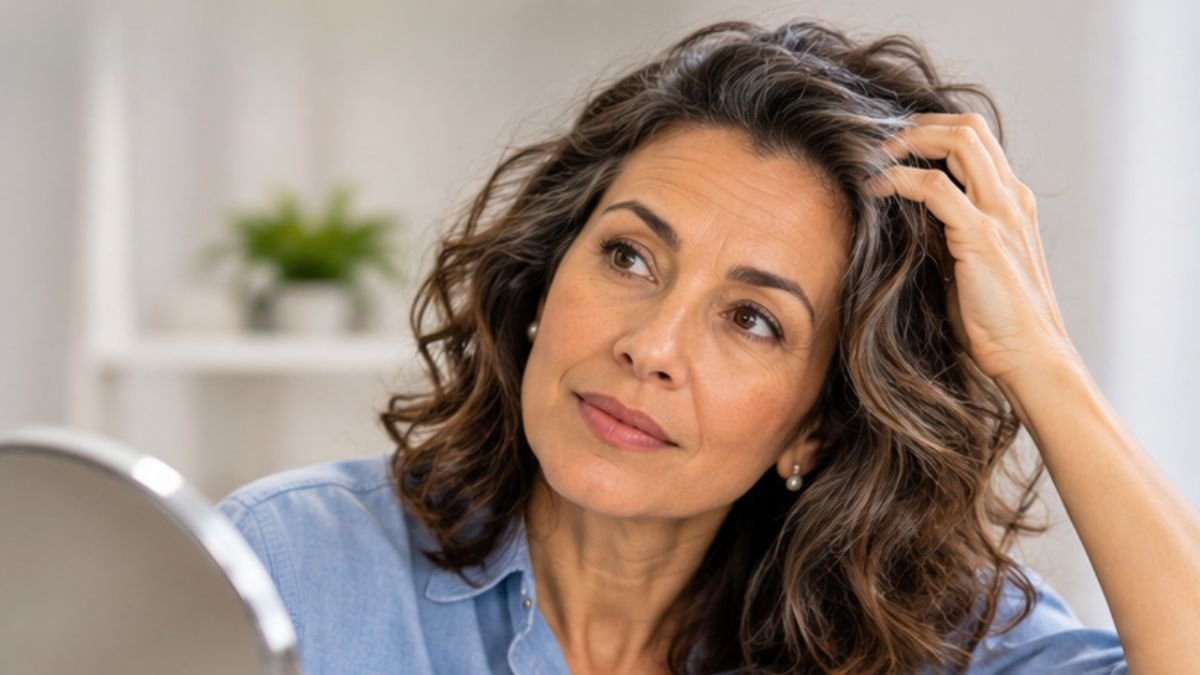
It is also important to distinguish between gray hair and thinning hair. Gray strands appear when hair produces less pigment. This change in color is different from a reduction in hair density, even though both may become more noticeable during the same stage of life.
Genetics and Female Pattern Hair Loss
Genetics can influence how hair changes over time. Female pattern hair loss, also known as female pattern hair loss (FPHL), is a common form of progressive thinning in women.
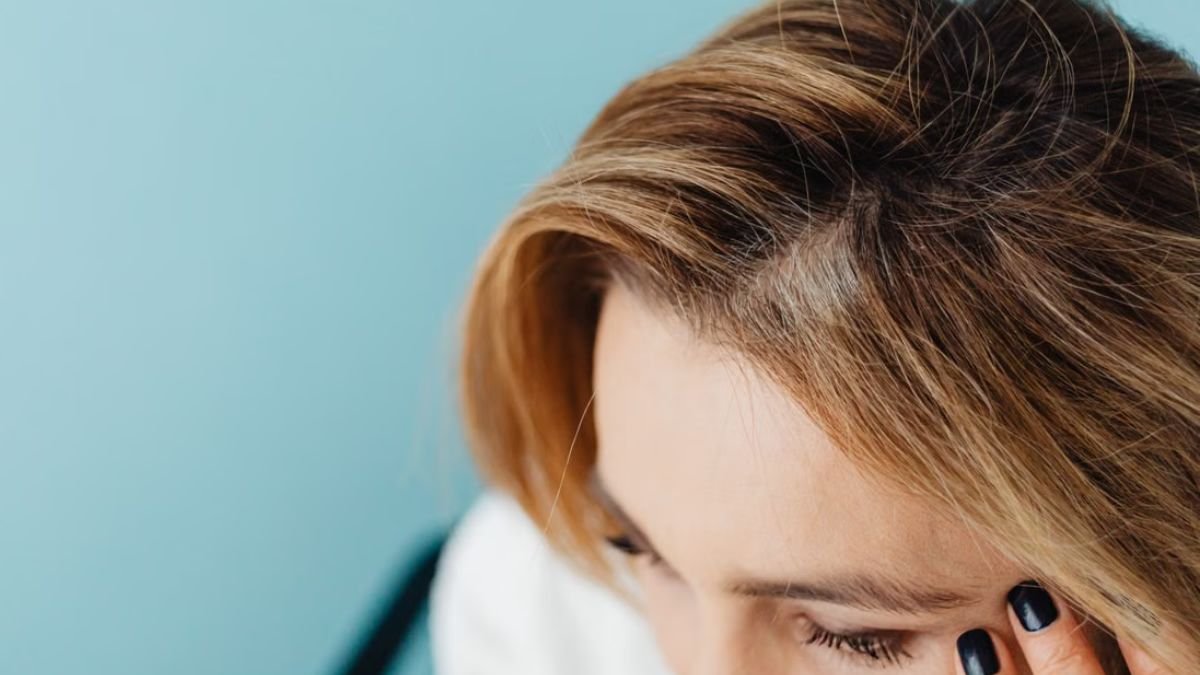
It often becomes more noticeable in midlife. Rather than producing a clearly defined bald spot, it commonly causes gradual thinning around the top of the scalp and a widening of the central part.
The condition can develop slowly, so changes may be subtle at first. A woman may simply feel that her hair no longer looks as full as it once did.
Other Factors That May Contribute to Hair Thinning
Not every case of thinning hair is related to aging or menopause. Other factors can affect the hair growth cycle or contribute to excessive shedding.
Stress and Major Life Changes
Physical or emotional stress, surgery, illness, and significant life changes can sometimes trigger a temporary increase in hair shedding. This type of shedding may become noticeable several months after the triggering event.
Nutrition and General Health
A restrictive diet, rapid weight loss, or certain nutritional deficiencies may affect hair health. Iron deficiency and inadequate protein intake are among the factors that healthcare professionals may consider when evaluating hair loss.
Thyroid Conditions and Other Health Factors
Thyroid disorders and some other health conditions can contribute to changes in hair growth. Certain medications may also have hair loss as a possible side effect.
This is one reason why persistent or unexpected hair changes deserve attention rather than being automatically attributed to age.
Hair Care Practices
Frequent chemical processing, excessive heat, and hairstyles that repeatedly pull tightly on the hair can contribute to breakage or hair loss. Gentle handling and less tension may help reduce avoidable damage.
What Changes Should You Pay Attention To?
Hair thinning can be gradual, which makes it difficult to recognize at first. Looking at changes over time may help you notice patterns.
Some changes worth observing include:
- A part that appears wider than it used to be.
- A ponytail that feels noticeably smaller.
- Less volume around the crown or top of the head.
- More scalp visibility in photographs or under bright lighting.
- Persistent changes in the amount of hair shedding.
- Hair that seems finer or less dense than before.
These observations do not establish a diagnosis. They are simply reasons to pay closer attention, especially when the changes persist or become more noticeable.
When Should You Talk to a Dermatologist?
A dermatologist can help identify the reason for hair thinning and determine whether it is related to female pattern hair loss, temporary shedding, a health condition, medication, or another cause.
Consider scheduling an evaluation if you notice:
- Sudden or unusually heavy hair shedding.
- Visible bald patches or rapid changes in density.
- Persistent thinning that continues to progress.
- Scalp itching, pain, redness, scaling, or other unusual symptoms.
- Hair changes accompanied by other unexplained health symptoms.
Depending on your history and examination, a healthcare professional may recommend additional tests or discuss appropriate treatment options. The right approach depends on the underlying cause.
Supporting a Healthy-Looking Appearance
Although cosmetic care cannot address every cause of hair thinning, thoughtful choices can help hair look and feel its best.
- Choose gentle cleansing and conditioning products suited to your hair type.
- Limit excessive heat styling and harsh chemical treatments.
- Avoid hairstyles that place constant tension on the roots.
- Use suitable styling techniques to create the appearance of volume.
- Maintain a balanced diet and discuss possible nutritional concerns with a healthcare professional.
Haircuts, layers, and styling products designed for fine hair can also make a difference in how full the hair appears. The goal is not to hide every natural change, but to find a routine that supports comfort, confidence, and personal style.
Understanding Your Hair Changes After 45
Hair changes during midlife can have several explanations, and no two women experience them in exactly the same way. Hormonal transitions, genetics, aging, health factors, and hair care practices may all influence the appearance and density of hair.
Paying attention to gradual changes can help you decide whether a different hair care routine is enough or whether professional advice is needed. Most importantly, thinner hair does not define your appearance or limit the ways you can enjoy your personal style.
Further Reading
Disclaimer: This article is for general educational purposes only and is not a substitute for professional medical advice, diagnosis, or treatment. Individual causes and treatment options should be discussed with a qualified healthcare professional.