Fine Hair vs. Thinning Hair: Understanding Why Your Hair Looks Less Full
Have you noticed that your hair doesn't look quite as full as it used to? Perhaps your ponytail feels smaller, your part seems more noticeable, or your usual hairstyle no longer has the same volume. These changes can be frustrating, especially when it is not clear what is causing them.
One important distinction is that naturally fine hair and thinning hair are not the same thing. Fine hair describes the thickness of individual strands, while thinning hair generally refers to a reduction in the number of hairs or overall hair density.
Understanding the difference can help you recognize what may be happening, make more informed hair-care choices, and know when it may be worth seeking professional advice.
Fine Hair vs. Thinning Hair: What's the Difference?
The terms fine hair and thinning hair are often used interchangeably, but they describe two different characteristics.
Fine hair refers to the diameter of each individual hair strand. Fine strands are naturally smaller in diameter than medium or coarse strands. Someone can have many fine strands and still have a full-looking head of hair.
Thinning hair refers to a decrease in hair density. This means there may be fewer hairs growing in a particular area than before. As density changes, the scalp may become more visible and hairstyles may appear less full.
The key difference: Fine hair is about the size of individual strands. Thinning hair is about how much hair is present.
It is also possible to have both. A woman may naturally have fine strands and later experience a change in hair density. This combination can make the overall appearance of her hair noticeably less full.
What Is Naturally Fine Hair?
Naturally fine hair has a smaller strand diameter. This characteristic is often determined by genetics and may have been present for most of a person's life.
Fine hair is not necessarily unhealthy or a sign of hair loss. Many women have naturally fine strands while maintaining a normal amount of hair.
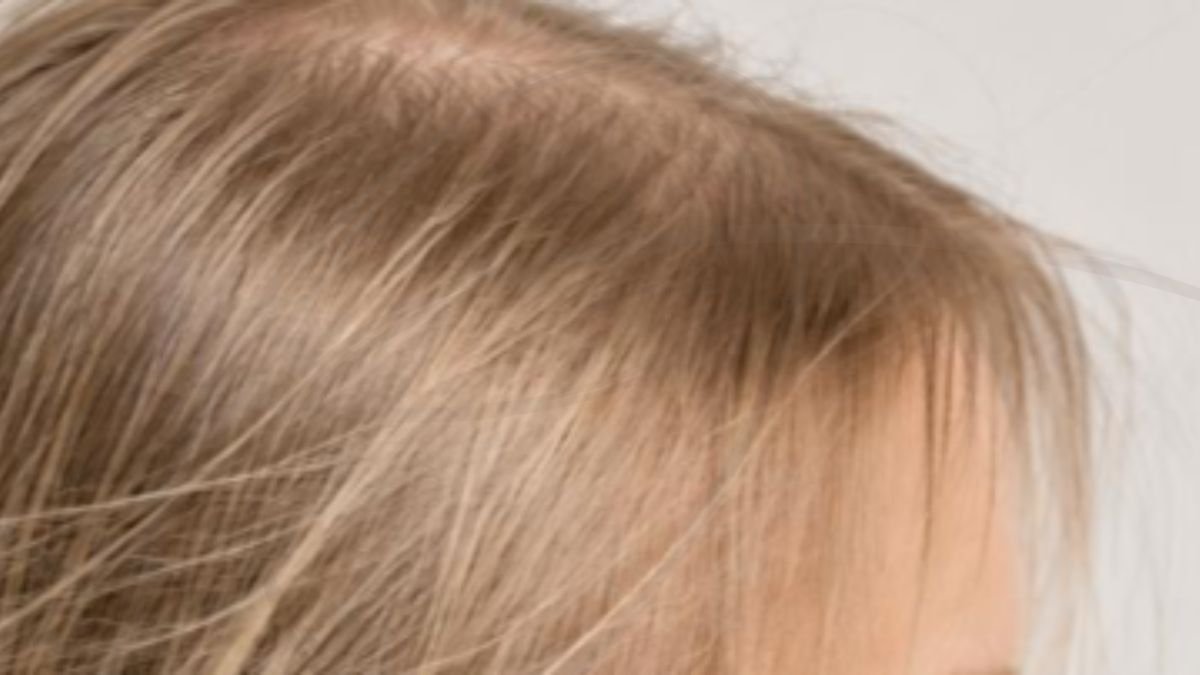
Common Characteristics of Fine Hair
Depending on its texture and natural density, fine hair may:
- Feel soft and delicate to the touch.
- Look flatter or have less natural volume.
- Become weighed down by heavy conditioners or styling products.
- Lose its shape more easily after styling.
- Show oiliness more quickly, especially near the roots.
These characteristics do not automatically indicate hair loss. If your hair has always been fine and its overall density has remained relatively consistent, you may simply have a naturally fine hair type.
What Does Thinning Hair Look Like?
Thinning hair involves a change in the amount of hair or its distribution across the scalp. Unlike naturally fine hair, it may represent a noticeable difference from how your hair looked in the past.
Some women notice gradual changes over time, while others become aware of increased shedding or a more visible scalp in certain areas.
Changes You May Notice
- Your hair part appears wider than it used to.
- Your scalp is more visible under ordinary lighting.
- Your ponytail feels smaller or less substantial.
- Your hair seems less dense around the crown or temples.
- You notice more hair than usual in your brush, shower, or on your pillow.
- Your usual hairstyle does not seem to cover certain areas as well as before.
These observations can help you recognize a change, but they cannot identify its cause on their own. Lighting, hairstyle, hair length, and natural variations in shedding can also affect how full your hair appears.
Why Can Hair Look Thinner as We Age?
Hair can change throughout adulthood. For many women, differences in strand texture, density, growth patterns, and the hair growth cycle become more noticeable over time.
There is no single explanation for every woman. Several factors may contribute to changes in the appearance of hair.
1. Changes in Hair Density
Hair density refers to the number of hair strands growing in a given area of the scalp. If density decreases, the scalp may become easier to see, even when individual strands have not changed significantly.
This can affect the appearance of the part, crown, and overall volume.
2. Hormonal Changes
Hormonal changes during midlife and after menopause may influence hair growth and its appearance. Some women notice changes in fullness or shedding during this stage of life.
However, not every hair change after menopause is caused by hormones alone. Other factors may also be involved.
3. Changes in Individual Hair Strands
The diameter, texture, and condition of individual strands can change over time. Hair may feel more delicate, become drier, or appear less voluminous than it once did.
When strands are finer or more fragile, the overall hairstyle may look less full, even without a major change in hair density.
4. Health and Lifestyle Factors
Hair changes may also be associated with health conditions, nutritional deficiencies, certain medications, physical or emotional stress, and other factors.
For example, significant stress or illness can sometimes be followed by increased shedding. The timing and pattern of hair changes can offer useful information to a healthcare professional.
Remember: Hair changes are not an inevitable or identical experience for every woman. A change in appearance does not automatically mean there is an underlying medical problem, but persistent or unusual changes deserve attention.
Signs of Thinning Hair Women Should Pay Attention To
It can be difficult to tell whether your hair is naturally fine or becoming thinner. Paying attention to changes over time may help you understand what is different.
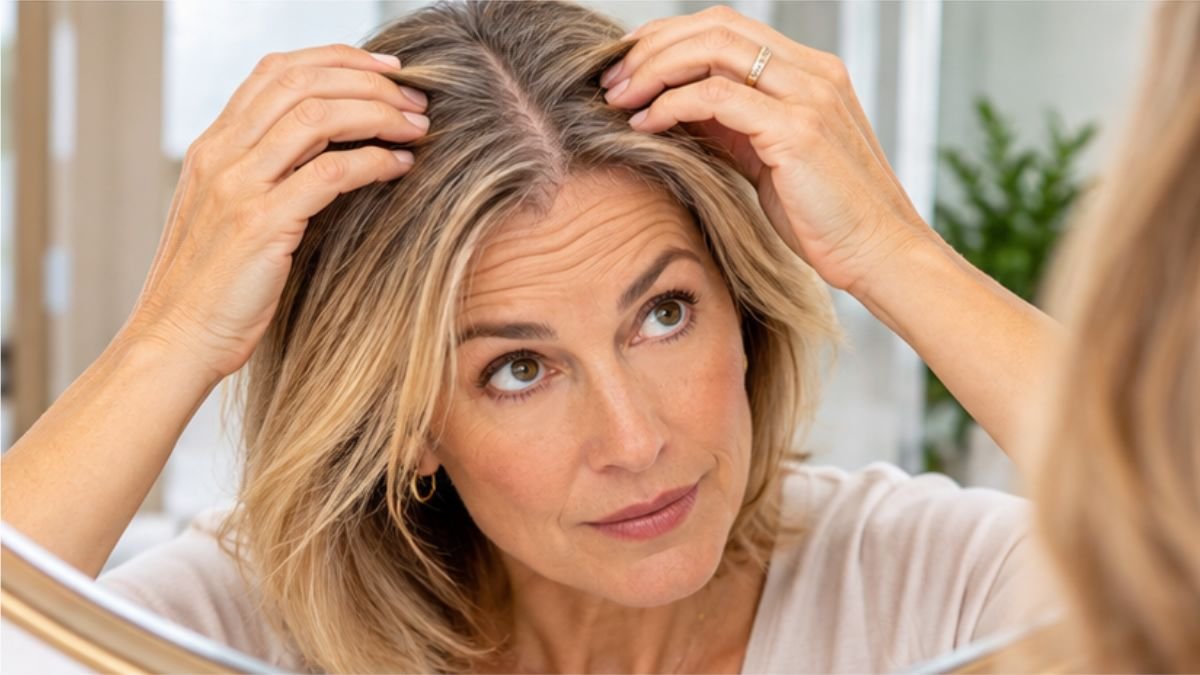
Look for Changes Rather Than One Isolated Sign
Instead of focusing on a single observation, consider whether several changes have appeared together:
- A widening part: The line where your hair separates looks wider than it did before.
- More visible scalp: Areas that were previously covered appear more noticeable.
- Less fullness: Your hair seems flatter or less substantial, even when styled as usual.
- Changes in shedding: You notice a persistent increase in the amount of hair you shed.
- Uneven changes: Certain areas appear less dense than others.
Looking at photographs taken over several months may help you compare changes more objectively. Try to consider similar lighting, angles, and hairstyles when making comparisons.
How to Make Fine Hair Look Fuller
Whether your hair is naturally fine or simply seems less voluminous than before, a few practical adjustments may help improve its appearance.
The goal is not to change your natural hair type. It is to choose care and styling habits that support the look and feel you want.
1. Choose Lightweight Hair Care Products
Heavy products can weigh down fine strands and make the roots look flatter. Lightweight shampoos and conditioners may be more suitable for some fine hair types.
Pay attention to how your hair responds rather than assuming that one product works for everyone. A formula that feels nourishing for one person may feel too heavy for another.
2. Try Volumizing Styling Products
Volumizing mousses, sprays, and root-lifting products can help create the appearance of more body. Applying the right amount and following the product instructions can make a difference.
Start with a small amount. Using too much product may have the opposite effect and leave fine hair looking flat or weighed down.
3. Consider a Haircut That Supports Volume
The shape and length of a haircut can influence how full your hair appears. Some women with fine hair prefer shorter or softly layered styles because they can create movement and make styling easier.
A stylist familiar with fine hair can help you choose a cut that works with your natural texture, density, and personal style.
4. Be Gentle With Heat and Styling
Excessive heat and rough handling can contribute to breakage, making hair appear less full. Consider using a heat protectant, moderate temperatures, and gentle brushing techniques.
Avoid pulling hairstyles too tightly, especially if you frequently wear ponytails, buns, or other styles that place tension on the hair.
5. Focus on Scalp and Hair Care
A consistent routine can help keep the scalp comfortable and the hair in good condition. Wash as often as your scalp and hair type require, remove product buildup when needed, and avoid treatments that cause irritation.
Healthy-looking hair is supported by a combination of appropriate care, gentle styling, and attention to changes that may require professional evaluation.
When Should You Talk to a Healthcare Professional?
If you notice persistent, progressive, or unexpected changes in your hair, consider discussing them with a healthcare professional or dermatologist.
It is especially important to seek advice if you experience:
- Sudden or unusually heavy hair shedding.
- Clearly defined bald patches.
- Persistent itching, pain, redness, or scaling on the scalp.
- Progressive thinning that continues over time.
- Hair changes accompanied by other new or concerning symptoms.
A dermatologist can examine your scalp, review your health history, and determine whether further evaluation is appropriate. Depending on the situation, they may consider possible causes such as hormonal changes, nutritional deficiencies, medical conditions, or other factors.
Avoid starting supplements or treatments based only on online information. The right approach depends on the cause of the change, and not every product is appropriate for every person.
Final Thoughts: Understanding Your Hair Is the First Step
Fine hair and thinning hair may look similar at first, but they describe different things. Fine hair refers to the diameter of individual strands, while thinning hair involves a change in hair density.
Understanding this distinction can help you pay closer attention to your hair, choose care products and styling techniques that suit your needs, and recognize when a change deserves professional attention.
Your hair does not have to look exactly as it did years ago to look beautiful, healthy, and well cared for. The most useful starting point is understanding its current needs and making informed choices that support the look and feel you want.