Category 01
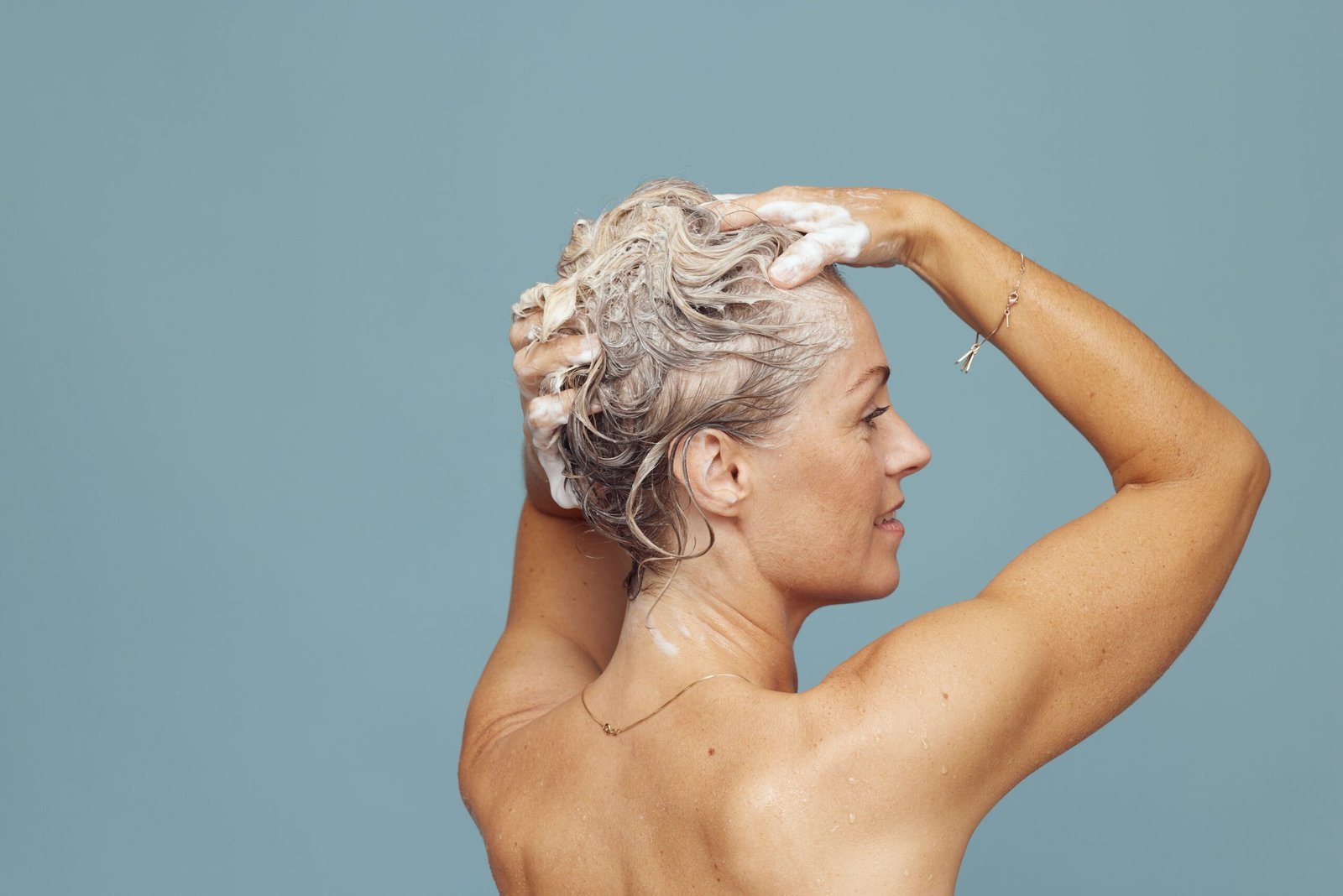
Shampoo & Conditioner
Learn how cleansing and conditioning products differ, what to consider for fine or dry hair, and how to build a routine that feels comfortable for your scalp and hair.
What to consider when choosing →Thoughtful hair care begins with understanding what your hair needs — not with buying every product that promises a change.
Explore practical guidance on cleansing, conditioning, styling, volume, and everyday care, with a more considered approach to choosing products.
Explore hair care categories
Hair can change in texture, fullness, manageability, and appearance over time. Some women notice more dryness or breakage. Others find that their usual styling routine no longer gives them the same result.
The right approach depends on your hair type, scalp, routine, and personal preferences. There is no single product or routine that works for everyone.
Our principle: We distinguish everyday cosmetic care from medical treatment. Hair care products can help cleanse, condition, style, and improve the appearance of hair. They should not be presented as a solution to every cause of hair loss.
Start with the category that best matches what you want to understand. We are building practical guides to help you compare product features and make informed choices.
Learn how cleansing and conditioning products differ, what to consider for fine or dry hair, and how to build a routine that feels comfortable for your scalp and hair.
What to consider when choosing →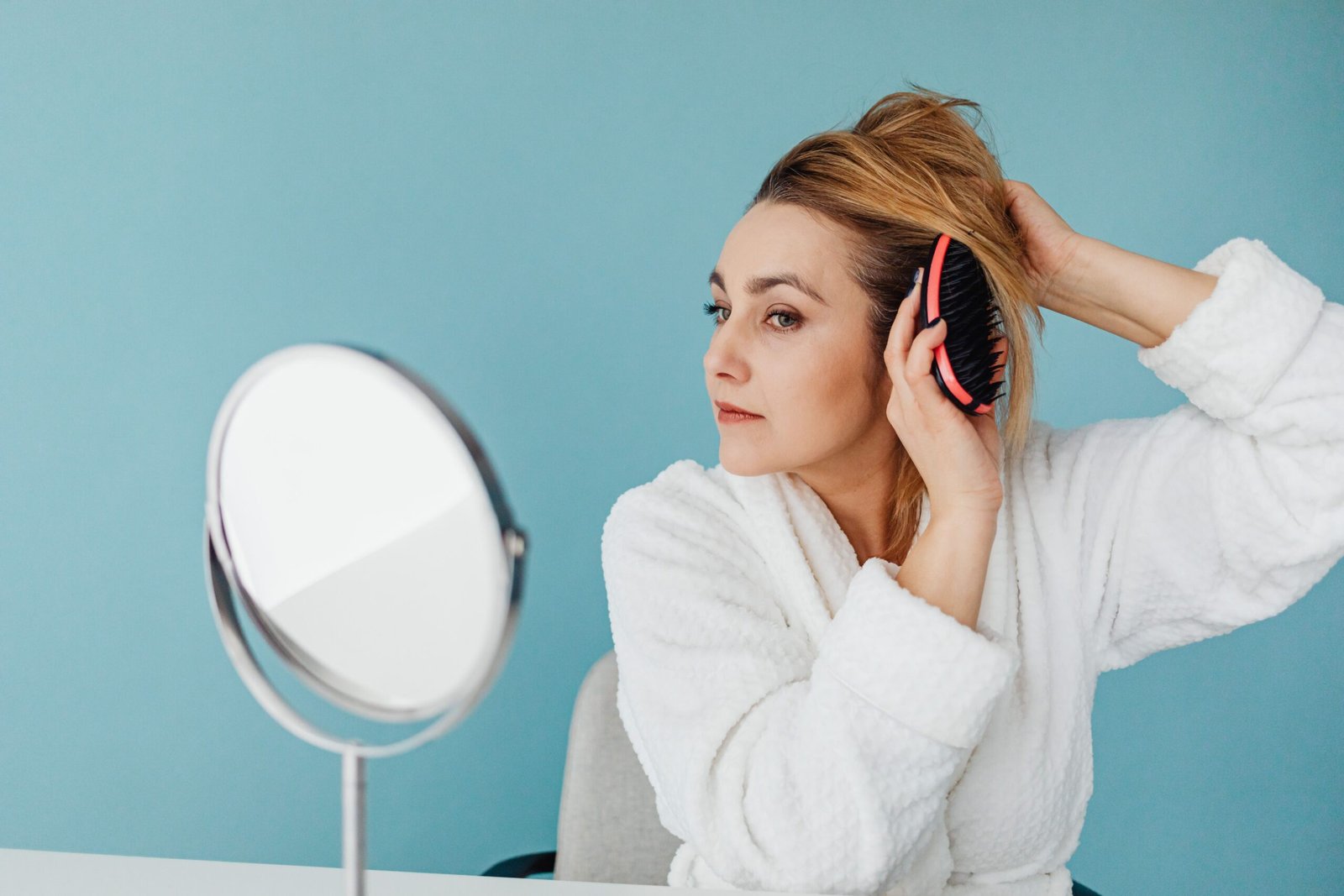
Explore styling products and techniques that can help hair look fuller, create movement, and make everyday styling easier without relying on unrealistic promises.
What to consider when choosing →Understand the role of gentle scalp cleansing and cosmetic scalp care, and learn which product features may be relevant to your everyday routine.
Guide in developmentLearn what to look for in brushes, combs, dryers, and styling tools, including practical features that may make handling your hair easier.
Guide in developmentProduct labels and marketing descriptions can make similar products sound very different. A few practical questions can help you focus on what actually matters for your routine.
Consider whether your hair is fine, thick, straight, wavy, curly, dry, or chemically treated. A product designed for one texture may not feel the same on another.
Are you looking for cleansing, conditioning, easier detangling, smoother styling, or a fuller-looking finish? Be clear about the result you actually want.
Read the product description and ingredient list. Consider fragrance, formulation, instructions, and any ingredients you personally prefer to avoid.
Compare the amount of product, how often you expect to use it, the price per unit, seller information, and return conditions.
We believe product information should help readers understand what they are choosing. That means looking beyond attractive packaging and promotional language.
Our editorial approach prioritizes clear product descriptions, relevant features, realistic expectations, transparent pricing, and information that helps readers decide whether an item fits their own needs.
A product may be useful for one routine and unsuitable for another. We do not assume that a higher price means better quality, or that a product marketed for fuller-looking hair can address the medical causes of hair thinning.
Product choices make more sense when you understand your hair and the factors that can influence its appearance and condition. These guides are a useful place to continue.
Your hair care routine should make sense for your hair, your preferences, and your everyday life. Take your time, explore the information, and choose products for the reasons that matter to you.
Explore the Hair Wellness GuideAffiliate disclosure: Some articles on Lufan Lab may contain affiliate links. If you make a purchase through one of these links, we may earn a commission at no additional cost to you. Affiliate relationships do not determine our editorial perspective or guarantee a product recommendation.